From Reactive to Proactive: How Digital Transport Management Improves Distribution Performance
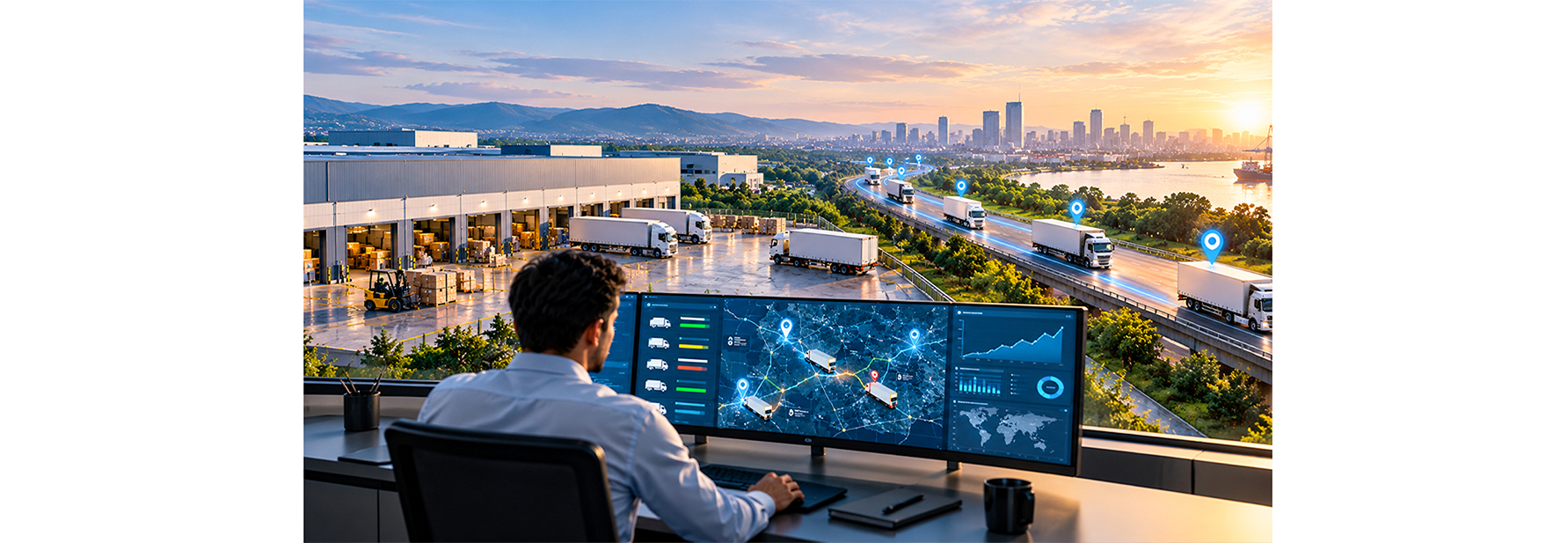
Many businesses still manage transport operations reactively, responding to delays, disruptions, and customer issues only after they occur. Digital transport management enables a more proactive approach by providing real-time visibility, monitoring, route optimisation, and operational insights that help businesses identify issues earlier, improve decision-making, and maintain more reliable distribution performance.
Key Takeaways
- Reactive transport management often leads to delays, inefficiencies, and higher operating costs.
- Real-time visibility allows businesses to identify and address issues before they escalate.
- Digital transport management improves coordination across distribution operations.
- Monitoring, analytics, and route optimisation support better operational decisions.
- Businesses that operate proactively are better positioned to scale and improve customer service.
A delayed delivery, a missed retailer window, or an unexpected route deviation is often treated as an isolated incident. In reality, these issues are usually symptoms of a larger problem: reactive transport management.
For years, many organisations have managed transport through a combination of phone calls, spreadsheets, manual updates, and fragmented communication. While these methods may keep operations moving, they often leave businesses responding to issues after they have already affected customers, schedules, and operational performance.
As supply chains become more complex and customer expectations continue to rise, this reactive approach becomes increasingly difficult to sustain.
The businesses achieving the strongest distribution performance today are not necessarily operating larger fleets or spending more on transport. They are using digital transport management to gain visibility, improve decision-making, and identify potential disruptions before they become costly problems.
Why Many Distribution Operations Are Still Reactive
“Businesses assume transport delays are caused by traffic, vehicle availability, or external factors. In reality, the biggest challenge is usually visibility. You cannot manage what you cannot see. The moment businesses gain real-time visibility into transport operations, decision-making becomes faster and more proactive.” – [Ahmed Ziyan, Chief Marketing Officer, Business Growth & CRM ]
Limited Visibility
Without real-time visibility, businesses struggle to understand what is happening across their transport network at any given moment.
Fragmented Communication
Different teams often work with different information, creating coordination gaps and delays.
Manual Processes
Relying on manual updates increases the likelihood of errors while slowing down operational decision-making.
Delayed Responses
When issues are discovered late, businesses have fewer options available to minimise disruption. Many transport operations don’t lack vehicles or drivers. They lack visibility and operational intelligence.
What Is Digital Transport Management?
Digital transport management refers to the use of technology, real-time visibility, monitoring, analytics, and connected transport systems to plan, manage, and optimise cargo movement and distribution operations.
Importantly, digital transport management is not simply vehicle tracking. Nor is it just software. It is a connected operational approach that allows businesses to monitor transport activity, coordinate stakeholders, analyse performance, and make informed decisions based on real-time information.
Instead of waiting for problems to occur, businesses gain the ability to identify risks early and take action before disruptions affect operations.
Reactive vs Proactive Transport Management
One of the easiest ways to understand digital transport management is to compare reactive and proactive approaches.
| Reactive Transport Management | Proactive Transport Management |
|---|---|
| Problems identified after they occur | Issues identified before they escalate |
| Limited operational visibility | Real-time visibility |
| Manual updates and communication | Automated monitoring and alerts |
| Delayed decision-making | Faster operational responses |
| Higher disruption risk | Better operational control |
| Difficult performance analysis | Data-driven decision-making |
| Constant firefighting | Continuous optimisation |
“The difference between reactive and proactive transport management is not technology alone. It is operational mindset. Reactive teams spend their time solving today’s problems. Proactive teams use data and visibility to prevent tomorrow’s problems.”
6 Ways Digital Transport Management Improves Distribution Performance
1. Real-Time Visibility Across Operations
Visibility is one of the most valuable benefits of digital transport management. Businesses can monitor vehicle movement, delivery progress, route activity, and operational performance as events happen. This improves transparency while helping teams make faster and more informed decisions.
2. Faster Response to Disruptions
Disruptions are inevitable. Traffic congestion, route deviations, vehicle issues, and scheduling changes can affect transport operations at any time. Digital monitoring systems help identify these issues early, allowing businesses to respond before they affect delivery performance.
3. Better Route Optimisation
Efficient route planning improves both operational performance and cost control. Digital transport management systems help identify more efficient routes, reducing travel time, fuel consumption, and unnecessary vehicle movement. The result is greater delivery consistency and improved fleet productivity.
4. Improved Coordination Between Teams
Fleet management distribution operations often involve multiple stakeholders, including warehouse teams, dispatch coordinators, drivers, customers, and transport providers. Digital platforms help ensure everyone works with the same information, reducing communication gaps and improving coordination.
5. Stronger Operational Decision-Making
Businesses generate significant amounts of transport data every day. Digital transport management helps convert this information into actionable insights. Analytics and reporting tools allow businesses to identify trends, improve planning, and continuously optimise operations.
6. Greater Scalability
As businesses grow, transport operations become more complex. Digital systems help manage increasing delivery volumes without significantly increasing operational complexity. This enables businesses to scale more efficiently while maintaining service quality, compliance and visibility.
The Role of Technology in Digital Transport Operations
“The next generation of transport management is not being shaped by larger fleets or more assets. It is being shaped by better information. The businesses that gain a competitive advantage will be those that can turn operational visibility into faster, smarter decisions.” – [Shashi Gunathilake, Chief Executive Officer, Operational Planning & Solutions]
For decades, transport operations were built around assets. More vehicles meant more capacity. More capacity meant greater operational capability.
Today, that relationship is changing. Many businesses are discovering that their biggest transport challenges are not caused by a lack of vehicles. They are caused by a lack of visibility, coordination, and timely decision-making.
This is why digital transport management is becoming a strategic capability rather than simply an operational tool. The businesses achieving the strongest distribution performance are often those with the best understanding of what is happening across their operations at any given moment. They can identify delays earlier, respond to disruptions faster, and continuously improve how their transport networks perform.
Technology enables this visibility, but visibility alone is not the outcome. Better decisions are.
How Oki Doki Helps Businesses Move from Reactive to Proactive Operations
The goal of digital transport management is not simply to track vehicles. It is to create enough visibility and operational intelligence to prevent disruptions before they affect customers.
Oki Doki Global was built around the idea that transport management should provide visibility, control, and operational intelligence, not simply cargo movement.
Its technology-driven transport solutions help businesses gain greater control over distribution performance through:
- Transport Management System (TMS): A digitally connected platform that provides real-time visibility across transport operations.
- GPS-Enabled Fleet Tracking: Continuous monitoring of vehicle movement and delivery activity.
- 24/7 Monitoring Centre: A dedicated monitoring team that tracks transport activity and responds proactively to disruptions.
- Route Optimisation: Smarter route planning designed to improve efficiency and reduce delays.
- Analytics and Reporting: Operational insights that help businesses make more informed decisions.
- Driver Monitoring and Cargo Security: Enhanced safety and cargo protection through monitoring systems, E-seals, and operational controls.
Oki Doki helps businesses gain greater control over transport operations by replacing reactive decision-making with real-time visibility and structured operational management.
Frequently Asked Questions
What is digital transport management?
Digital transport management uses technology, monitoring, visibility, analytics, and connected systems to manage and optimise cargo movement and transport operations more effectively.
How does digital transport management improve distribution performance?
It improves visibility, coordination, monitoring, and decision-making, allowing businesses to identify issues earlier and maintain more consistent distribution performance.
What is the difference between GPS tracking and transport management?
GPS tracking provides location information, while transport management combines visibility, monitoring, coordination, analytics, and operational control across the entire transport process.
How does real-time visibility improve transport operations?
Real-time visibility helps businesses identify disruptions earlier, respond faster, improve coordination, and maintain greater control over distribution activities.
Can digital transport management reduce transport costs?
Yes. Improved route planning, better visibility, stronger coordination, and operational optimisation can help reduce inefficiencies and lower transport-related costs.
Why is proactive transport management important?
Proactive management helps businesses identify risks before they affect operations, improving reliability, customer service, and overall distribution performance.
What should businesses look for in a modern transport partner?
Businesses should look for real-time visibility, monitoring capabilities, route optimisation, analytics, operational expertise, and technology-driven transport management solutions.
Conclusion
The strongest distribution operations are not those that react quickly to problems, they are the ones that prevent problems from disrupting operations in the first place. As distribution networks become more complex, businesses need greater visibility, stronger coordination, and better operational intelligence to maintain performance.
Digital transport management provides the tools and insights required to move from reactive operations to proactive decision-making. Businesses looking to improve distribution visibility, strengthen operational control, and improve distribution performance can partner with Oki Doki Global’s technology-driven transport solutions to build more efficient, resilient, and future-ready operations.
Related Articles
The Hidden Costs of Managing Your Own Fleet
June 24, 2026Many businesses underestimate the true cost of managing their own fleet. Beyond vehicle purchases, fleet ownership includes maintenance, fuel management, driver oversight, compliance, downtime, route planning, and technology investments. Understanding these hidden costs helps businesses make more informed transport decisions and determine whether managing a fleet internally remains the most efficient option. Key Takeaways Fleet […]
Read more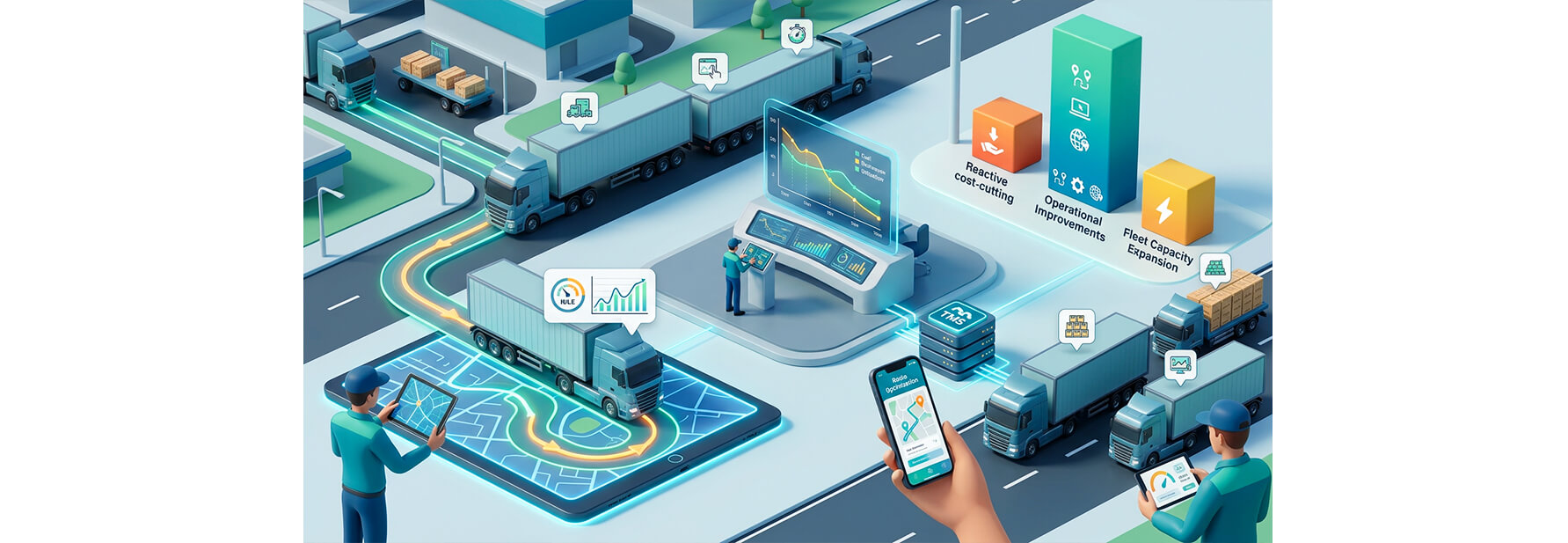
How to Reduce Fuel Costs and Improve Fleet Efficiency in Sri Lanka
June 16, 2026Reducing fuel costs requires more than controlling fuel prices. Businesses can lower transport expenses by improving route planning, reducing idle time, increasing vehicle utilisation, monitoring driver behaviour, and using technology such as Oki Doki TMS to optimise fleet operations. In many cases, operational improvements deliver greater savings than expanding fleet capacity or making reactive cost-cutting […]
Read more
How to Build a Reliable Transport System for Apparel Exports in Sri Lanka
June 10, 2026A reliable apparel transport system combines consistent factory-to-port movement, visibility across cargo operations, contingency planning, compliance-focused processes, and technology-driven coordination. For Sri Lankan apparel exporters, transport reliability is essential for maintaining export schedules, meeting customer commitments, and avoiding costly shipment disruptions. Key Takeaways Reliable apparel transport systems are built on process, not just vehicles. Factory-to-port […]
Read more


