How to Simplify Your Distribution Operations in Sri Lanka Without Expanding Your Fleet

Key Takeaways
- You don’t always need more vehicles to scale, you need better utilisation and visibility
- Inefficient routing, lack of coordination, and poor tracking often cause more issues than fleet size
- Sri Lanka’s distribution challenges require smart planning with an advanced solution like Oki Doki TMS and automated route planner.
- Technology like real-time tracking and route optimisation can significantly improve efficiency
- The right transport partner helps you scale operations without increasing overheads
For many businesses in Sri Lanka, growth brings a familiar set of challenges. Orders start increasing. Distribution volumes rise. What once felt manageable suddenly becomes difficult to control. Schedules begin to slip, coordination becomes harder, and delays become more frequent, even when you already have vehicles available.
At the same time, fuel costs rise, operational expenses increase, and managing drivers and routes becomes more complex. The natural reaction is to assume the problem is capacity, but more trucks is not the solution. Scaling distribution isn’t about adding more vehicles, it’s about making your existing operations work better.
Why Distribution Becomes Complex in Sri Lanka
Distribution operations refer to the planning, movement, and coordination of goods from warehouses to end destinations, requiring efficiency, visibility, and control. Distribution in Sri Lanka comes with its own set of operational realities. Traffic congestion, especially in Colombo and surrounding areas, can significantly impact delivery timelines.
Many businesses also operate on multi-point delivery routes, where a single vehicle must complete several drops within tight timeframes. Without proper planning, this leads to delays and inefficiencies. Regional distribution adds another layer of complexity. Deliveries outside major urban centres require better coordination, longer travel times, and contingency planning.
Common Questions Businesses Ask
Why are my distribution costs increasing even with the same fleet?
Rising distribution costs are often a result of hidden inefficiencies rather than an actual increase in demand. Even with the same fleet size, costs can escalate due to factors such as poor route planning, unnecessary detours, traffic-related delays, and vehicles running below optimal capacity.
- Fuel wastage: A major contributor – especially in Sri Lanka, where congestion and stop-start traffic conditions can significantly impact consumption.
- Lack of visibility: Without real-time tracking or performance insights, it becomes difficult to identify where time and fuel are being lost.
How do I manage multiple cargo transport assignments efficiently?
Managing multiple deliveries across different locations requires more than just assigning vehicles. Inefficiencies often arise when deliveries are scheduled in isolation, without considering route overlap, delivery priority, or geographic clustering.
- Group cargo assignments: Strategically based on location and urgency, and then optimise routes to minimise travel time while meeting delivery commitments.
- Centralised coordination: Equally important, ensuring that dispatch teams, drivers, and operations are aligned throughout the process.
- Real-time monitoring: Plays a critical role here. With visibility into vehicle movement and delivery progress, businesses can quickly respond to delays, reassign routes if needed, and maintain overall efficiency.
Is outsourcing transport better than expanding my fleet?
The decision between outsourcing transport and expanding your fleet depends on your business model, scale, and operational complexity. However, for many growing businesses, outsourcing offers a more flexible and cost-effective approach.
Expanding a fleet requires significant capital investment, along with ongoing costs such as maintenance, fuel, insurance, and driver management. Outsourcing, on the other hand, allows businesses to access transport capacity as needed, without committing to long-term fixed costs. It also provides access to established systems, technology, and operational expertise that may be difficult to build internally. Partners like Oki Doki Global offer scalable transport solutions supported by real-time tracking, route optimisation, and monitoring systems.
The Real Problem: Inefficiency vs Capacity
When distribution challenges arise, the first instinct is often to expand. But in reality, many fleets are not fully optimised. Vehicles may be underutilised. Routes may not be planned efficiently. Deliveries may not be coordinated effectively. And without real-time visibility, small delays can quickly escalate into larger disruptions.
These inefficiencies compound over time, increasing costs and reducing performance. Adding more vehicles to an inefficient system only increases costs, it doesn’t solve the problem.
6 Practical Ways to Simplify Distribution Operations
1. Optimise Delivery Routes
Efficient routing is one of the most immediate ways to improve distribution performance. Instead of relying on static or manual planning, routes should be dynamically structured based on delivery locations, priority levels, and real-time traffic conditions. In a market like Sri Lanka, where congestion can significantly impact timelines, smarter routing reduces delays, shortens travel distances, and lowers fuel consumption. Advanced TMS and automated route planner incorporates route optimisation into daily operations, helping businesses ensure deliveries are completed faster and more predictably.
2. Improve Fleet Utilisation
Many fleets operate below their full potential without businesses realising it. Vehicles may run partially loaded, take inefficient routes, or return empty after deliveries. Improving utilisation means maximising load capacity per trip, reducing empty runs, and ensuring vehicles are deployed based on demand patterns. With structured planning and system-driven allocation, such as the approach used by Oki Doki, businesses can move more goods using the same fleet, without increasing operational strain.
3. Introduce Real-Time Visibility
Without visibility, distribution becomes reactive. Issues are only addressed after delays occur, rather than being prevented. Real-time tracking changes this by allowing businesses to monitor every movement, identify disruptions early, and take corrective action instantly. Oki Doki Global’s Transport Management System (TMS), combined with its 24/7 Monitoring Centre, provides continuous visibility across all transport activities, from dispatch to delivery, ensuring greater control and reliability.
4. Centralise Coordination
Distribution often breaks down due to fragmented communication between teams. Warehouse staff, dispatch teams, and drivers may all operate with different information, leading to delays and misalignment. Centralising coordination ensures that all stakeholders are working from the same plan. With centralised operations and real-time communication, businesses can streamline scheduling, reduce errors, and improve overall execution.
5. Use Data to Improve Decisions
Every delivery generates valuable data, but without proper analysis, it goes unused. Tracking metrics such as delivery times, route efficiency, fuel usage, and vehicle performance allows businesses to identify inefficiencies and continuously improve operations. Oki Doki’s analytics and reporting capabilities provide actionable insights that help businesses make informed decisions, optimise routes, and enhance long-term performance.
6. Consider Flexible Transport Support
Expanding your fleet is a long-term commitment, but demand is rarely constant. Seasonal peaks, promotions, or sudden increases in orders can create temporary pressure on distribution. Flexible transport solutions allow businesses to scale operations when needed, without investing in additional vehicles. By working with partners like Oki Doki Global, who offer scalable, on-demand transport support, businesses can maintain efficiency during peak periods while avoiding unnecessary fixed costs.
Expanding Your Fleet vs Optimising What You Have
| Factor | Expanding Your Fleet | Optimising What You Have |
|---|---|---|
| Initial Investment | High capital required for purchasing vehicles | Minimal investment – focuses on improving existing operations |
| Ongoing Costs | Continuous expenses (fuel, maintenance, repairs, insurance) | Reduced costs through efficiency and better utilisation |
| Operational Complexity | Increased complexity with driver management, scheduling, and maintenance | Simplified operations through structured systems and coordination |
| Fleet Utilisation | Risk of underutilisation during slower periods | Maximises usage of existing vehicles and reduces idle time |
| Scalability | Slow and costly to scale up or down | Flexible – can adjust based on demand without long-term commitments |
| Visibility & Control | Often limited without additional tech investment | Enhanced through systems like TMS, tracking, and monitoring |
| Efficiency | May improve capacity but not necessarily efficiency | Directly improves efficiency, delivery performance, and cost control |
| Best Approach | Suitable only when capacity is consistently exceeded | More effective for most businesses looking to scale sustainably |
Key Insight: Many businesses assume growth requires more vehicles, but in reality, better systems, smarter routing, and improved coordination often deliver stronger results than expanding fleet size.
How Modern Transport Solutions Help Simplify Operations
Transport operations have evolved significantly. Traditional systems rely on manual coordination and reactive decision-making. This often leads to inefficiencies, delays, and limited visibility. Modern transport solutions take a different approach. They provide real-time tracking, allowing businesses to monitor operations continuously. Route optimisation tools help improve efficiency and reduce costs. Monitoring systems ensure consistency and allow quick responses to disruptions. Solutions like Oki Doki TMS, combined with 24/7 monitoring and automated route planning, enable businesses to move from reactive operations to structured, data-driven distribution. This shift is what allows businesses to scale efficiently without expanding their fleet.
FAQs
- How can I reduce cargo distribution costs in Sri Lanka? Improving route planning, reducing idle time, and using real-time tracking to minimise delays can significantly reduce fuel and operational costs.
- Do I need more trucks to scale my business? Not necessarily. Many businesses can scale by improving efficiency, optimising routes, and increasing utilisation of existing vehicles rather than expanding their fleet.
- What is the best way to manage logistics distribution? The most effective approach combines route optimisation, real-time visibility, and structured coordination to ensure consistent and efficient deliveries.
- How does route optimisation work? Route optimization uses data such as delivery locations, traffic conditions, and delivery priorities to determine the most efficient routes, reducing time and fuel consumption.
- Should I outsource transport instead of expanding my fleet? Outsourcing can provide flexibility, reduce fixed costs, and give access to advanced systems and expertise, making it a practical option for many businesses.
- Why is real-time tracking important? Real-time tracking provides visibility and control, allowing businesses to monitor deliveries, respond to delays, and maintain consistent performance.
- How can I manage regional deliveries more efficiently in Sri Lanka? Planning delivery schedules with buffer time, optimising routes, and using tracking systems to monitor progress can improve efficiency in regional distribution.
Conclusion
Simplifying distribution is not about increasing the size of your fleet, it’s about improving how your operations function. By focusing on efficiency, visibility, and coordination, businesses can scale their distribution without adding unnecessary costs or complexity. In Sri Lanka, where logistics conditions can be unpredictable, this approach becomes even more valuable. The most efficient distribution systems aren’t the biggest, they’re the ones that are best managed. If you’re looking to simplify your distribution without expanding your fleet, partnering with Oki Doki can help you achieve greater control, efficiency, and scalability in your operations.
Related Articles
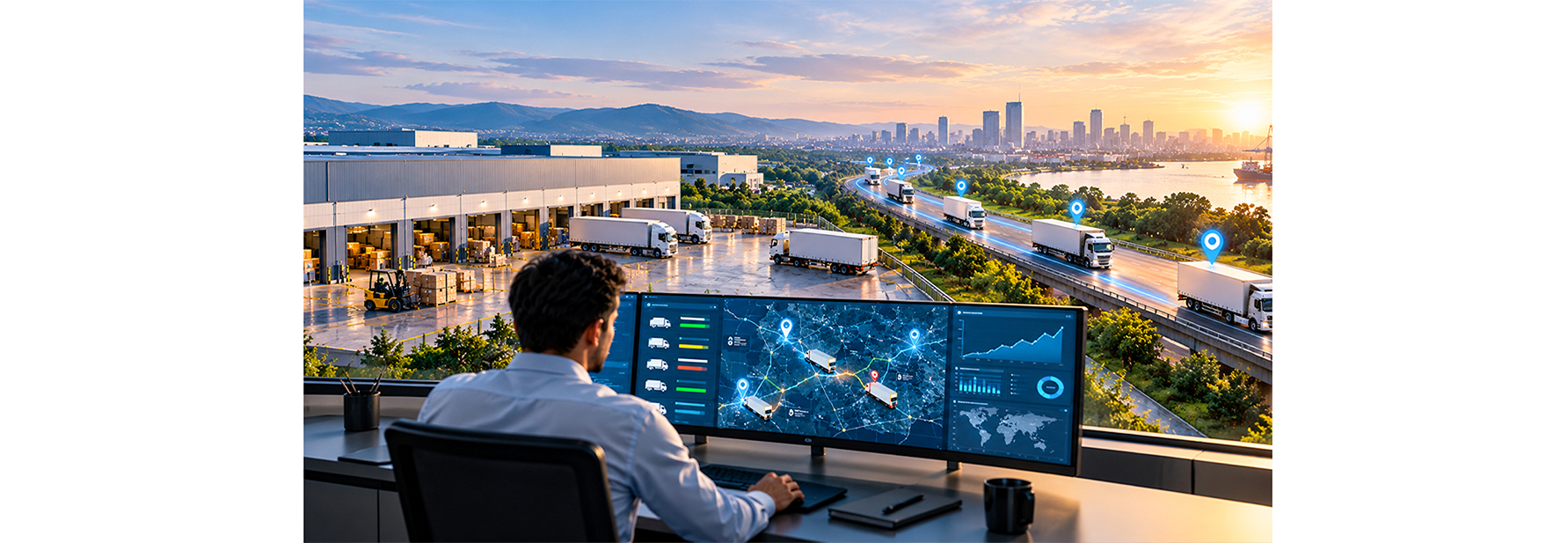
From Reactive to Proactive: How Digital Transport Management Improves Distribution Performance
October 9, 2026Many businesses still manage transport operations reactively, responding to delays, disruptions, and customer issues only after they occur. Digital transport management enables a more proactive approach by providing real-time visibility, monitoring, route optimisation, and operational insights that help businesses identify issues earlier, improve decision-making, and maintain more reliable distribution performance. Key Takeaways Reactive transport management […]
Read more
The Hidden Costs of Managing Your Own Fleet
June 24, 2026Many businesses underestimate the true cost of managing their own fleet. Beyond vehicle purchases, fleet ownership includes maintenance, fuel management, driver oversight, compliance, downtime, route planning, and technology investments. Understanding these hidden costs helps businesses make more informed transport decisions and determine whether managing a fleet internally remains the most efficient option. Key Takeaways Fleet […]
Read more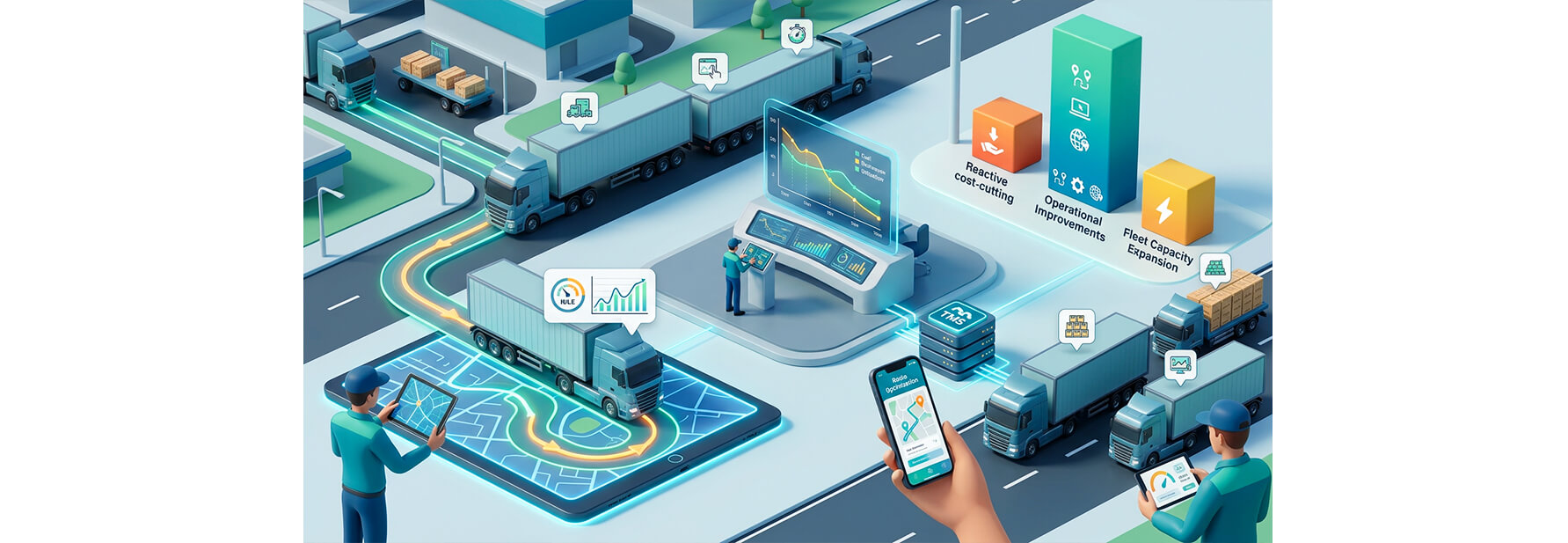
How to Reduce Fuel Costs and Improve Fleet Efficiency in Sri Lanka
June 16, 2026Reducing fuel costs requires more than controlling fuel prices. Businesses can lower transport expenses by improving route planning, reducing idle time, increasing vehicle utilisation, monitoring driver behaviour, and using technology such as Oki Doki TMS to optimise fleet operations. In many cases, operational improvements deliver greater savings than expanding fleet capacity or making reactive cost-cutting […]
Read more


