How to Choose a Transport Partner for FMCG Distribution
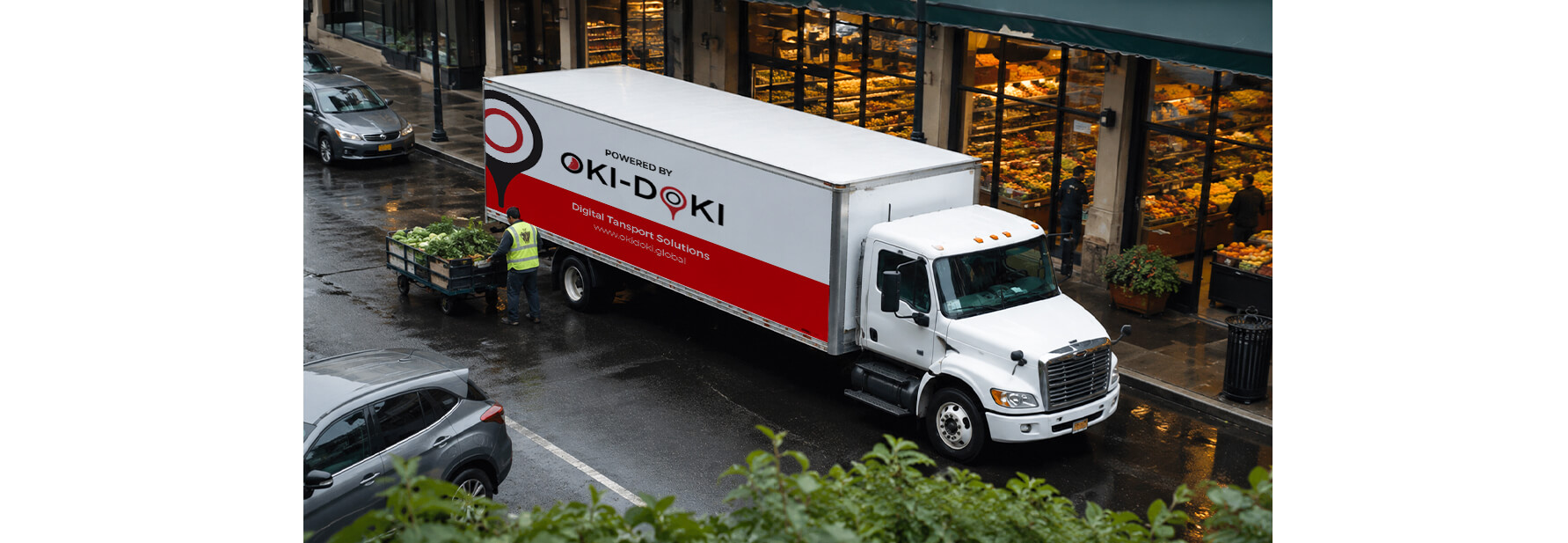
Key Takeaways
- Choosing a transport partner for FMCG is about consistency and control, not just moving goods from one place to another.
- Real-time visibility and route optimisation are essential to reduce delays and manage high-frequency deliveries efficiently.
- FMCG distribution requires specialised fleets and processes, especially for temperature-sensitive and retail-bound goods.
- In markets like Sri Lanka and Indonesia, local expertise and adaptability are critical for handling urban congestion and complex distribution networks.
- The right partner should offer scalability, compliance, and technology-driven operations to support long-term business growth.
FMCG distribution looks straightforward from the outside. Goods move from warehouses to retailers, shelves get stocked, and the cycle repeats. But in reality, it’s one of the most demanding parts of any supply chain. For many businesses, the pressure builds quietly with increasing costs and missed deadlines. And by the time the problem becomes obvious, it’s already affecting performance.
Because FMCG distribution isn’t just about moving goods from point A to point B. It’s about consistency, timing, and control, every single day. Choosing the right transport partner is not about who can move goods, it’s about who can keep your distribution running without disruption.
Key Challenges in FMCG Distribution
Before choosing a transport partner, it helps to understand why FMCG distribution is fundamentally different from standard logistics, and why not every provider is equipped to handle it.
High-Frequency, Time-Sensitive Deliveries
FMCG distribution requires high-frequency, time-sensitive deliveries where even small delays can disrupt retail availability. Unlike bulk or project-based logistics, distribution is repetitive and time-bound. Missing a delivery window doesn’t just delay one shipment, it can affect shelf availability across stores and weaken relationships with distributors.
Complex Distribution Across Urban and Regional Networks
In markets like Sri Lanka, transport partners must navigate congested city routes, especially in Colombo, while still ensuring timely deliveries to regional areas. In Indonesia, the challenge expands further with multi-island distribution, requiring coordination across routes, timelines, and transport modes.
Handling Sensitive and Perishable Goods
Many FMCG products, including beverages, dairy, and food items, require controlled environments. Temperature fluctuations or improper handling can lead to product damage, compliance issues, and financial loss. This makes specialised fleet capability and process control essential.
Strict Retail and Delivery Timelines
Modern retail operates on precision. Supermarkets, distributors, and retail chains expect deliveries within fixed time slots. Missing these windows can result in rejected shipments, penalties, or lost shelf space, all of which directly impact revenue.
7 Key Factors to Consider When Choosing a Transport Partner
Here are key factors you must consider when choosing a transport partner.
1. Consistency & Reliability
In FMCG, consistency matters more than speed. A slightly slower but predictable delivery is far more valuable than a fast but unreliable one. The right partner should have structured processes that ensure deliveries happen as planned, every time.
2. Real-Time Visibility
Without visibility, you’re operating blind. Knowing where your cargo is at any given moment allows you to respond quickly to delays or disruptions. Companies with Transport Management Systems (TMS) like Oki Doki Global provide real-time tracking through advanced transport management systems, giving businesses full visibility over their distribution operations.
3. Fleet Capability & Fit
Not all fleets are built for FMCG. You need vehicles that match your product and delivery requirements. This can include tail-lift trucks for easy unloading, modified vehicles for retail distribution, and temperature-controlled trucks for cold chain logistics. A flexible fleet ensures your operations run smoothly without workarounds.
4. Geographic Strength
A transport partner must understand the local landscape. In Sri Lanka, this means navigating traffic congestion and managing last-mile delivery in busy urban areas. In Indonesia, it means coordinating across islands and adapting to varying infrastructure conditions. Local knowledge often matters more than global scale.
5. Scalability
FMCG demand isn’t static. Seasonal spikes, promotions, and expansion plans require a transport partner that can scale quickly without affecting service quality. A rigid system can slow you down. A scalable partner helps you grow without disruption.
6. Compliance & Standards
Compliance is critical, especially in food and beverage distribution. This includes maintaining hygiene standards, meeting ISO requirements, and ensuring proper certifications. In markets like Indonesia, halal-compliant distribution can also be essential. Partners that prioritise compliance reduce risk and build trust across your supply chain.
7. Technology & Optimisation
Technology is no longer optional in transport management. Route optimisation helps reduce travel time and fuel costs. Driver monitoring improves safety and accountability. Analytics provide insights that help refine operations over time. These are not just operational tools, they directly impact your bottom line.
Managing Your Own Fleet vs Outsourcing Transport
Many FMCG businesses start by managing their own fleet. It offers control and can work well at a smaller scale. However, as operations grow, hidden challenges begin to surface.
| Factor | Managing Your Own Fleet | Outsourcing Transport |
|---|---|---|
| Control | Full control over operations, drivers, and scheduling | Shared control, but supported by structured systems and expertise |
| Operational Complexity | High – requires managing drivers, maintenance, routing, and compliance | Lower – operational burden handled by the transport partner |
| Cost Structure | High fixed costs (vehicles, fuel, salaries, maintenance) | More flexible, often variable costs aligned with usage |
| Scalability | Difficult to scale quickly, especially during peak demand | Easier to scale based on business needs and seasonal spikes |
| Technology Access | Requires investment in systems like tracking and analytics | Access to built-in technology like TMS, tracking, and optimisation tools |
| Efficiency | Depends on internal expertise and systems | Often higher due to specialised processes and optimisation |
| Risk Management | Higher – disruptions directly impact internal operations | Shared risk with partner, supported by monitoring and structured processes |
| Focus | Diverts attention from core business operations | Allows businesses to focus on growth, sales, and production |
Outsourcing transport shifts this burden to a specialised partner. Businesses that need flexibility often turn to partners like Oki Doki Global, who offer both end-to-end transport management and fleet optimisation solutions. This allows companies to focus on their core operations while improving efficiency in distribution.
Common Mistakes When Choosing a Transport Partner
Choosing a transport partner often feels like a straightforward decision, until the wrong choice starts affecting operations. Many of the most common mistakes come from focusing on short-term gains instead of long-term performance.
Choosing based on price alone
It’s natural to look for cost savings, especially in FMCG where margins are tight. But the cheapest option often comes with hidden trade-offs. Inconsistent delivery, lack of accountability, or operational gaps can lead to stockouts, lost sales, and strained retailer relationships. Over time, these costs far outweigh any initial savings.
Overlooking technology and visibility
Without proper tracking and optimisation tools, businesses lose visibility over their distribution. This makes it harder to identify delays, manage routes efficiently, or respond to disruptions in real time. Technology is no longer an added benefit, it’s a core requirement for maintaining control.
Ignoring industry-specific experience
FMCG distribution comes with its own challenges, from high-frequency deliveries to handling sensitive goods. A provider without relevant experience may struggle to meet these demands, even if they perform well in other industries. Choosing a partner familiar with FMCG ensures smoother operations from the start.
Not planning for growth and scalability
A transport setup that works today may not support tomorrow’s demand. As businesses expand, distribution becomes more complex. Without a partner that can scale operations, companies often face delays, inefficiencies, and the need to switch providers at critical growth stages.
What Matters Specifically in Sri Lanka & Indonesia
Transport strategies that work in one region don’t always translate to another. In Sri Lanka, distribution is often fast-paced and concentrated. Urban congestion, especially in Colombo, can affect delivery timelines. Efficient route planning and local coordination are essential. And in Indonesia, logistics become more complex due to geography. Multi-island distribution requires strong planning, adaptable transport networks, and compliance with varying regional requirements. In both markets, flexibility and local expertise play a critical role. A one-size-fits-all approach simply doesn’t work.
How Modern Transport Partners Add Value Beyond Delivery
Today, transport partners like Oki Doki are not just service providers, they are operational enablers. They provide visibility into your supply chain, helping you make better decisions. They optimise routes and reduce fuel consumption, lowering costs. They minimise risks by ensuring compliance and consistency. For example, FMCG clients working with Oki Doki Global have been able to streamline distribution by combining real-time tracking, route optimisation, and 24/7 monitoring. This has helped reduce delays, improve delivery accuracy, and maintain consistent supply to retail networks. This shift from execution to enablement is what defines modern transport partnerships.
FAQs
- What is the best transport solution for FMCG companies? The most effective transport solution for FMCG combines consistent, on-time delivery with real-time visibility and the flexibility to handle frequent, high-volume distribution. It should support different product types, adapt to changing demand, and provide enough control to prevent disruptions across the supply chain.
- How do I reduce logistics costs in FMCG? Reducing logistics costs starts with improving efficiency. This includes optimising delivery routes, reducing empty runs, and using data to identify delays or inefficiencies. Working with a transport partner that offers route optimisation, tracking, and performance insights can help lower fuel costs and improve overall productivity.
- What is a TMS in transport? A Transport Management System (TMS) is a digital platform that helps businesses plan, execute, and monitor their transport operations. It provides real-time tracking, route optimisation, and performance analytics, allowing companies to improve delivery efficiency and maintain better control over their logistics.
- Should FMCG companies outsource logistics? Outsourcing logistics can be a practical choice for FMCG businesses that want to reduce operational complexity and improve efficiency. It allows companies to access specialised expertise, scalable transport capacity, and advanced technology without the cost and effort of managing everything internally.
- What makes a logistics partner reliable? A reliable logistics partner consistently delivers on time, maintains clear visibility across operations, and has structured processes to handle disruptions. They should also be able to scale with your business and adapt to changing distribution needs without compromising service quality.
- How important is real-time tracking in FMCG? Real-time tracking is critical in FMCG because it provides visibility over fast-moving operations. It helps businesses monitor deliveries, respond quickly to delays, and maintain consistent supply to retailers. Without it, managing distribution efficiently becomes much more difficult.
- What transport challenges do FMCG companies face in Sri Lanka? FMCG distribution in Sri Lanka often involves managing high delivery frequency within congested urban areas like Colombo while still reaching regional outlets efficiently. Traffic conditions, tight delivery windows, and last-mile coordination are key challenges that require strong route planning and local expertise.
- How can FMCG companies manage distribution across islands in Indonesia? In Indonesia, distribution requires coordination across multiple islands, which adds complexity in terms of timing, transport modes, and compliance. Businesses need partners with adaptable networks and experience in multi-location logistics to ensure consistent delivery across regions.
Conclusion
Choosing a transport partner is ultimately about choosing stability for your operations. The right partner doesn’t just move goods, they ensure your distribution runs smoothly, consistently, and efficiently. The best transport partners combine reliability, technology, and flexibility to support your growth and adapt to your needs. Providers like Oki Doki Global reflect this shift, offering transport solutions designed not just for movement, but for control, visibility, and long-term efficiency.
Related Articles
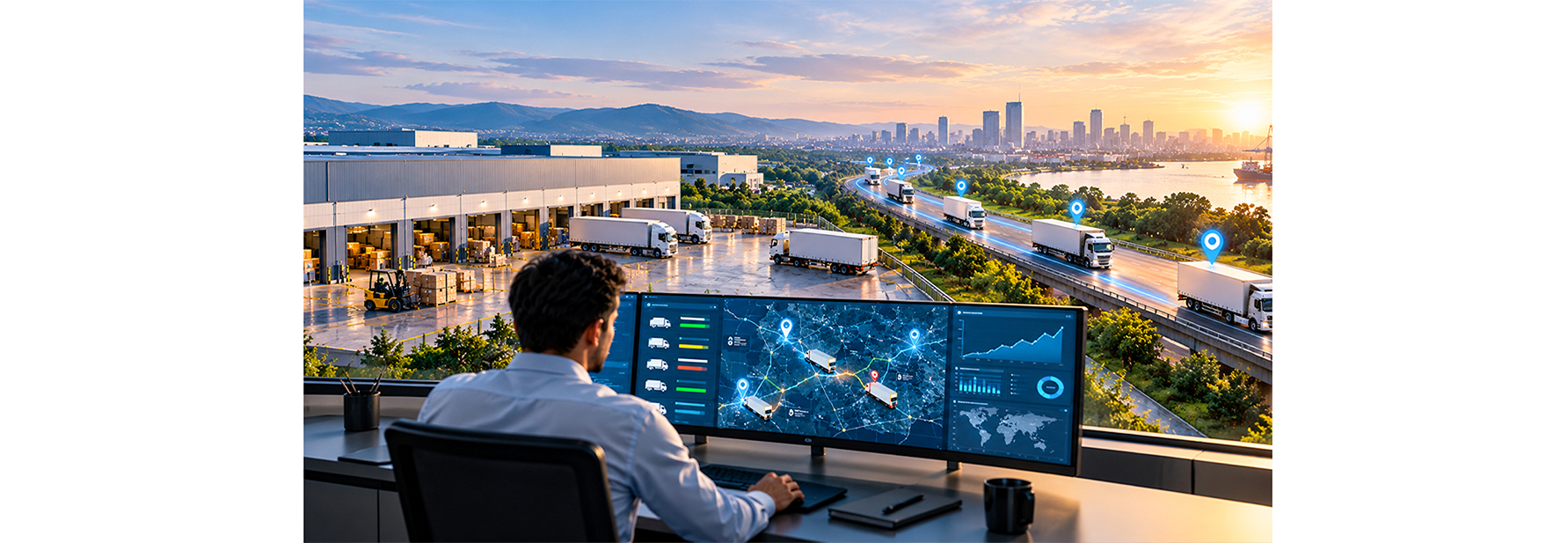
From Reactive to Proactive: How Digital Transport Management Improves Distribution Performance
October 9, 2026Many businesses still manage transport operations reactively, responding to delays, disruptions, and customer issues only after they occur. Digital transport management enables a more proactive approach by providing real-time visibility, monitoring, route optimisation, and operational insights that help businesses identify issues earlier, improve decision-making, and maintain more reliable distribution performance. Key Takeaways Reactive transport management […]
Read more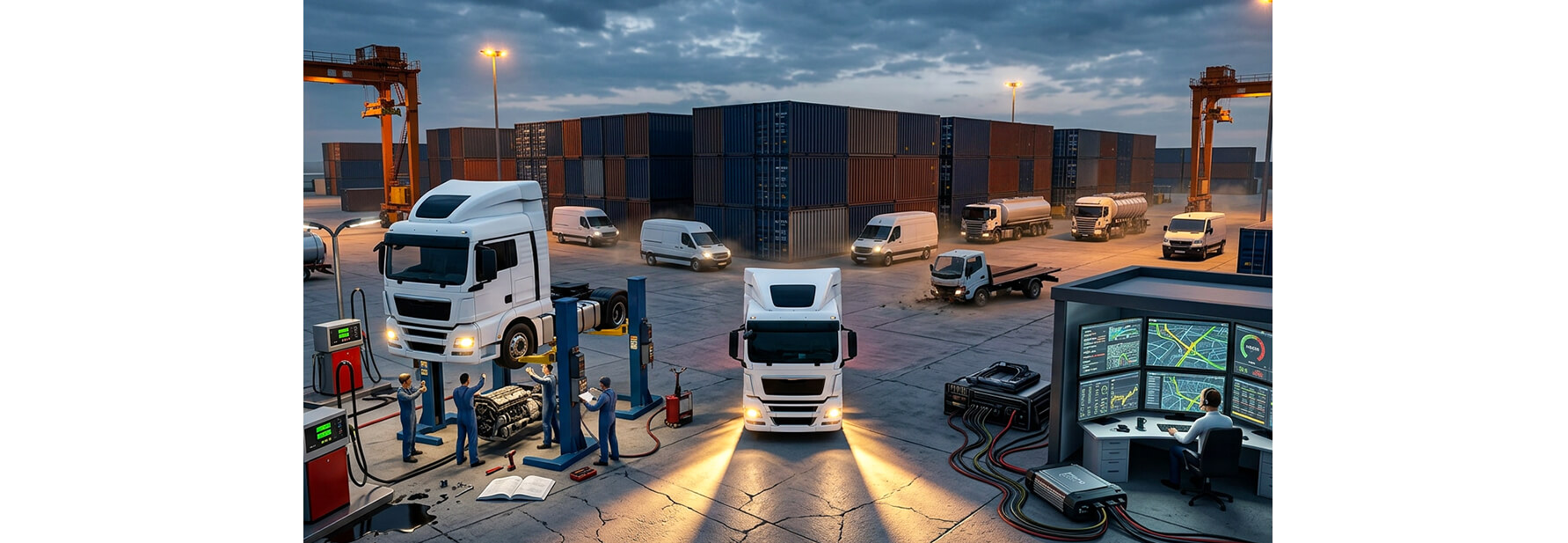
The Hidden Costs of Managing Your Own Fleet
June 24, 2026Many businesses underestimate the true cost of managing their own fleet. Beyond vehicle purchases, fleet ownership includes maintenance, fuel management, driver oversight, compliance, downtime, route planning, and technology investments. Understanding these hidden costs helps businesses make more informed transport decisions and determine whether managing a fleet internally remains the most efficient option. Key Takeaways Fleet […]
Read more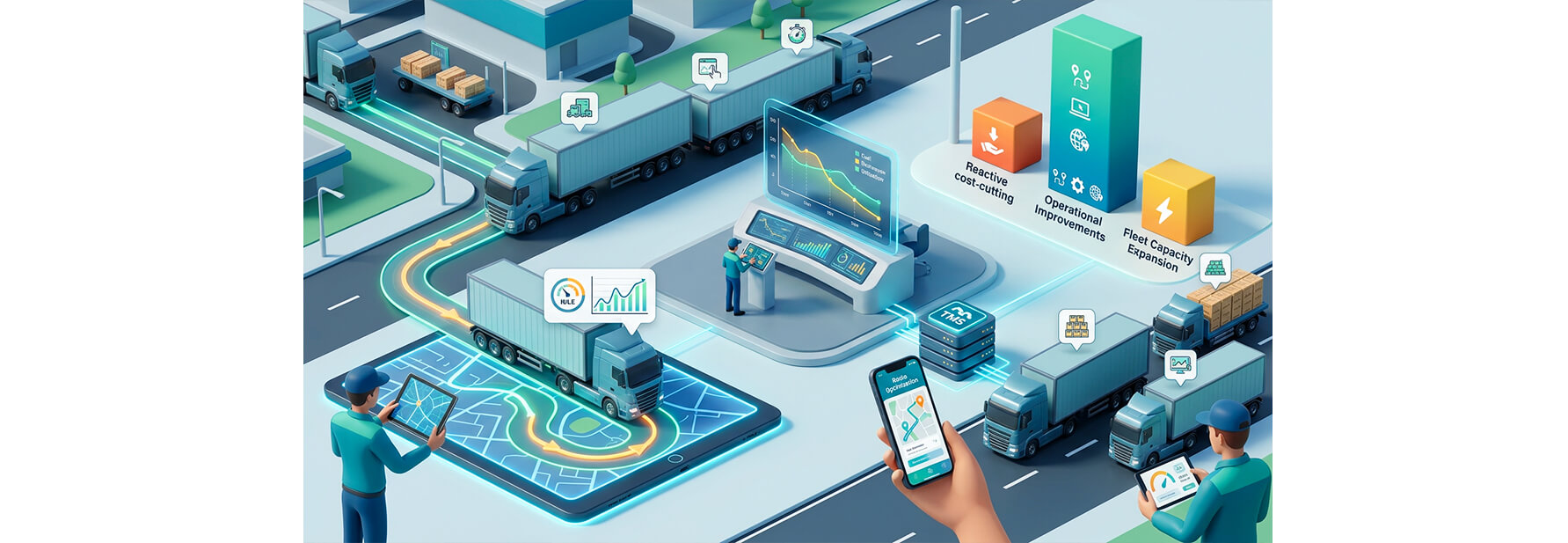
How to Reduce Fuel Costs and Improve Fleet Efficiency in Sri Lanka
June 16, 2026Reducing fuel costs requires more than controlling fuel prices. Businesses can lower transport expenses by improving route planning, reducing idle time, increasing vehicle utilisation, monitoring driver behaviour, and using technology such as Oki Doki TMS to optimise fleet operations. In many cases, operational improvements deliver greater savings than expanding fleet capacity or making reactive cost-cutting […]
Read more


