How to Reduce Fuel Costs and Improve Fleet Efficiency in Sri Lanka
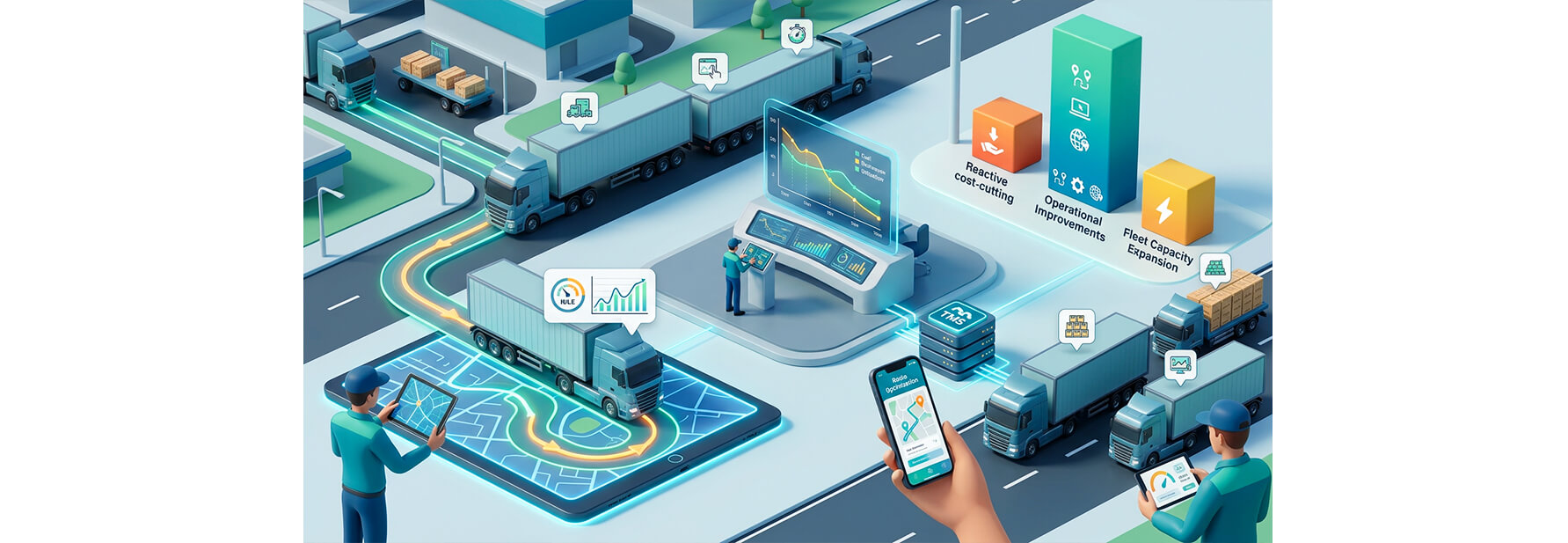
Reducing fuel costs requires more than controlling fuel prices. Businesses can lower transport expenses by improving route planning, reducing idle time, increasing vehicle utilisation, monitoring driver behaviour, and using technology such as Oki Doki TMS to optimise fleet operations. In many cases, operational improvements deliver greater savings than expanding fleet capacity or making reactive cost-cutting decisions.
Key Takeaways
- Fuel costs are often driven by operational inefficiencies rather than fuel prices alone.
- Route planning has a major impact on fuel consumption and delivery performance.
- Driver behaviour directly affects fleet efficiency and operating costs.
- Vehicle utilisation is often more important than fleet size.
- Technology helps businesses identify inefficiencies and uncover cost-saving opportunities.
Most businesses believe fuel costs are something they have little control over. When fuel prices rise, transport costs increase. When prices fall, margins improve. It seems straightforward.
But in reality, fuel prices are only one part of the equation. Two businesses operating similar fleets in the same market can experience very different fuel costs. The difference often comes down to how efficiently vehicles are routed, scheduled, monitored, and utilised.
This is why businesses looking to reduce transport costs should focus not only on fuel expenditure, but on the operational decisions that influence fuel consumption every day.
Why Fuel Costs Are Rising for Many Businesses
Many transport fleet operations contain hidden inefficiencies that gradually increase costs over time.
- Inefficient Routes: Poor route planning often results in unnecessary travel distances, longer delivery times, and higher fuel usage. Even small routing inefficiencies repeated across multiple vehicles can create substantial costs over time.
- Empty Return Trips: Many businesses focus on delivery efficiency but overlook what happens after deliveries are completed. Vehicles returning without cargo generate costs without producing revenue, reducing overall fleet productivity.
- Poor Scheduling: Ineffective scheduling can lead to unnecessary waiting times, missed delivery windows, and inefficient vehicle deployment. When schedules are poorly coordinated, fuel consumption often increases as a result.
- Vehicle Downtime: Vehicles that spend excessive time parked, waiting, or underutilised create hidden operational costs while contributing little value to the business.
Many businesses focus on the cost of fuel itself while overlooking the operational inefficiencies that increase fuel consumption every day.
What Fleet Efficiency Actually Means
Fleet efficiency is often misunderstood. Some businesses assume it simply means reducing costs or improving fuel consumption.
In reality, fleet efficiency is much broader. It refers to how effectively vehicles, drivers, routes, and operational resources are utilised to maximise productivity while minimising costs.
A highly efficient fleet achieves more deliveries, consumes less fuel, reduces operational waste, and maintains better visibility across transport operations. Fleet efficiency is ultimately about getting the maximum value from every vehicle movement.
Practical Ways to Reduce Fuel Costs
Optimise Delivery Routes
Route planning is one of the most effective ways to reduce fuel consumption. Vehicles that travel shorter, more efficient routes consume less fuel while completing deliveries faster. Route optimisation also helps reduce congestion-related delays and improves overall fleet productivity. Over time, even small improvements in route efficiency can generate significant cost savings.
Reduce Vehicle Idle Time
Fuel is often wasted when vehicles spend excessive time idling. Whether waiting at loading points, delivery locations, or during scheduling delays, idle vehicles continue consuming fuel without contributing to productivity. Reducing idle time through better planning and coordination can have an immediate impact on fuel efficiency.
Improve Driver Performance
Driver behaviour plays a significant role in fuel consumption. Harsh acceleration, excessive braking, speeding, and inefficient driving habits all increase fuel usage. Businesses that monitor and improve driver performance often see measurable reductions in fuel costs. Driver coaching, performance monitoring, and safety-focused driving practices can contribute significantly to fleet efficiency.
Increase Vehicle Utilisation
Many businesses assume they need more vehicles to improve performance. In reality, underutilised vehicles are often the bigger problem. Maximising load capacity, reducing empty return journeys, and improving vehicle allocation help businesses generate more value from existing fleet resources. Better utilisation often improves efficiency without requiring additional fleet investment.
Monitor Fleet Performance
You cannot improve what you cannot measure. Monitoring fleet performance provides valuable insights into fuel consumption, route efficiency, vehicle utilisation, and operational productivity. Businesses that actively monitor performance are better equipped to identify inefficiencies and implement corrective actions.
Use Real-Time Fleet Visibility
Visibility allows businesses to understand what is happening across transport operations at any given moment. Real-time fleet visibility helps identify delays, route deviations, inefficient vehicle movements, and operational disruptions before they become larger problems. This allows businesses to make faster decisions and maintain greater operational control.
Plan Deliveries More Strategically
Delivery planning has a direct impact on fuel efficiency. Grouping deliveries, coordinating schedules more effectively, and reducing unnecessary trips can significantly lower fuel consumption. Strategic planning also improves delivery consistency while helping businesses manage resources more effectively.
How Technology Helps Reduce Fuel Costs
Technology has become one of the most effective tools for improving fleet efficiency. Modern transport operations increasingly rely on data-driven decision-making rather than manual processes.
- Transport Management Systems (TMS): A TMS centralises fleet management activities, helping businesses improve visibility, coordination, and operational control.
- Route Optimisation: Technology-driven route planning helps identify more efficient delivery routes while reducing unnecessary fuel consumption.
- Analytics and Reporting: Detailed operational insights allow businesses to identify trends, inefficiencies, and opportunities for improvement.
- GPS Tracking: Real-time vehicle tracking provides greater visibility into fleet movement and operational performance.
- Driver Performance Visibility: Monitoring driver behaviour helps businesses improve driving standards while reducing fuel consumption.
- Monitoring Centres: Dedicated monitoring teams can identify disruptions early and help maintain more efficient fleet operations.
How Oki Doki Helps Businesses Improve Fleet Efficiency
Improving fleet efficiency requires more than software alone. It requires transport expertise, operational visibility, and the ability to turn data into action.
Oki Doki supports businesses through technology-driven fleet management solutions designed to improve efficiency, reduce operational waste, and optimise transport performance.
Key capabilities include:
- Real-time fleet visibility through its Transport Management System (TMS)
- Route optimisation tools that help improve delivery efficiency
- GPS-enabled fleet tracking
- 24/7 Central Monitoring Centre
- Driver performance visibility and monitoring
- Operational analytics and reporting
- Fleet management expertise built on over 20 years of transport experience
By combining technology with operational expertise, Oki Doki helps businesses improve fleet performance while reducing unnecessary transport costs.
Frequently Asked Questions
How can I reduce fuel costs in transport operations?
Businesses can reduce fuel costs by optimising routes, reducing idle time, improving driver behaviour, increasing vehicle utilisation, and using technology to improve operational visibility.
What affects fleet efficiency?
Fleet efficiency is influenced by route planning, vehicle utilisation, driver behaviour, scheduling, visibility, operational coordination, and overall transport management practices.
Does route optimisation reduce fuel consumption?
Yes. Route optimisation helps reduce unnecessary travel distances, improve delivery efficiency, minimise delays, and lower overall fuel consumption.
How do I improve vehicle utilisation?
Businesses can improve utilisation by reducing empty runs, increasing load efficiency, improving scheduling, and deploying vehicles more strategically across operations.
What is fleet efficiency?
Fleet efficiency refers to how effectively vehicles, drivers, routes, and operational resources are managed to maximise productivity while minimising operational costs.
How does technology improve fleet performance?
Technology provides real-time visibility, route optimisation, monitoring, analytics, and performance insights that help businesses improve efficiency and reduce operational waste.
Conclusion
Businesses that achieve the greatest fuel savings focus on operational efficiency rather than fuel prices alone. Improving route planning, reducing idle time, increasing vehicle utilisation, monitoring driver behaviour, and using technology-driven fleet management tools can significantly reduce transport costs while improving overall performance.
The most efficient fleets are not necessarily the largest. They are the ones that are best managed.
Businesses looking to improve fleet visibility, reduce fuel costs, and optimise transport performance can partner with Oki Doki Global’s technology-driven fleet management and transport solutions across Sri Lanka.
Related Articles
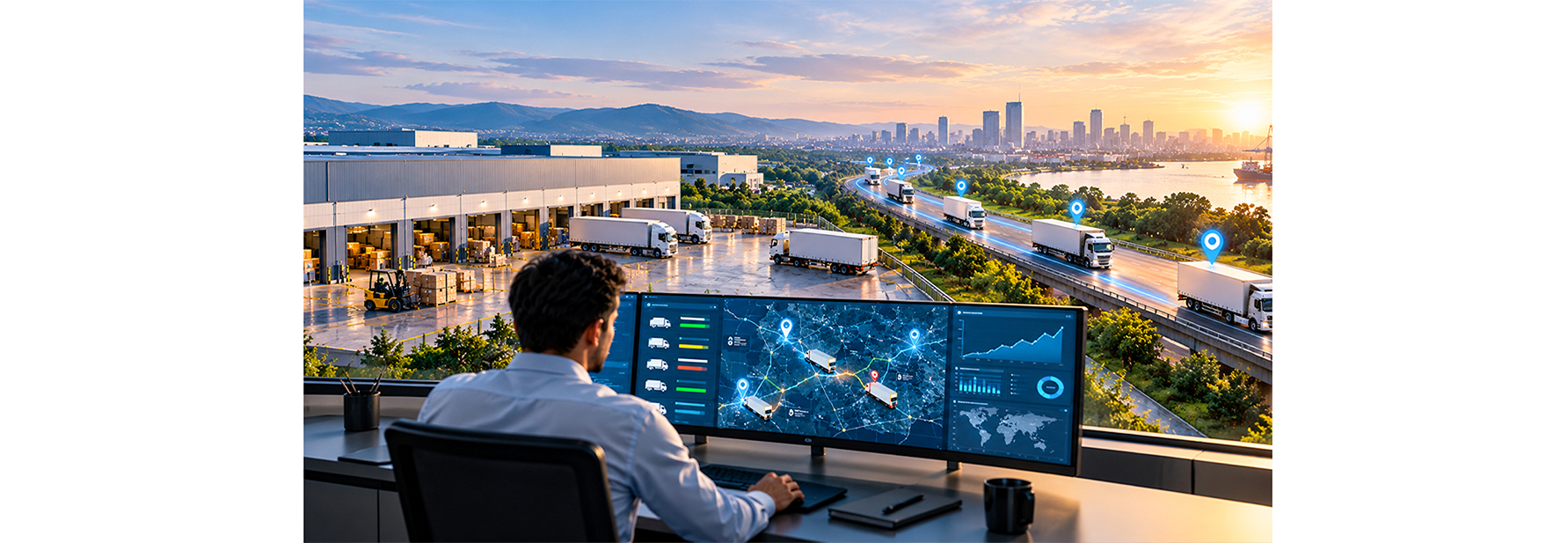
From Reactive to Proactive: How Digital Transport Management Improves Distribution Performance
October 9, 2026Many businesses still manage transport operations reactively, responding to delays, disruptions, and customer issues only after they occur. Digital transport management enables a more proactive approach by providing real-time visibility, monitoring, route optimisation, and operational insights that help businesses identify issues earlier, improve decision-making, and maintain more reliable distribution performance. Key Takeaways Reactive transport management […]
Read more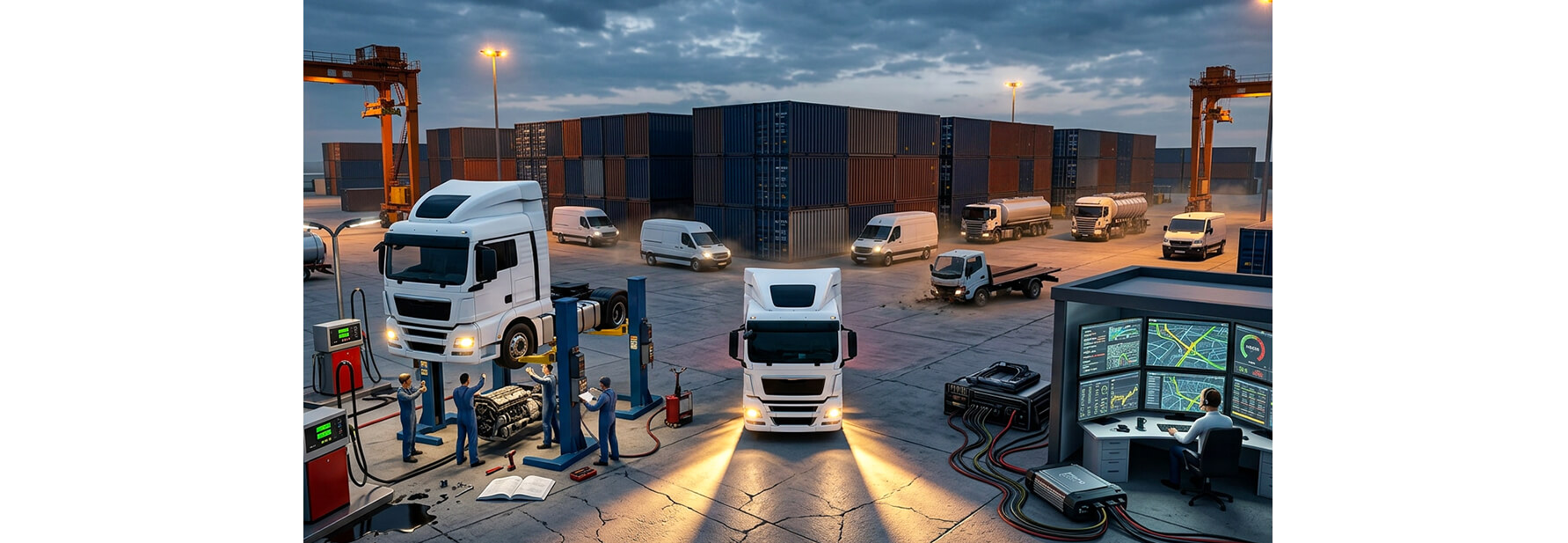
The Hidden Costs of Managing Your Own Fleet
June 24, 2026Many businesses underestimate the true cost of managing their own fleet. Beyond vehicle purchases, fleet ownership includes maintenance, fuel management, driver oversight, compliance, downtime, route planning, and technology investments. Understanding these hidden costs helps businesses make more informed transport decisions and determine whether managing a fleet internally remains the most efficient option. Key Takeaways Fleet […]
Read more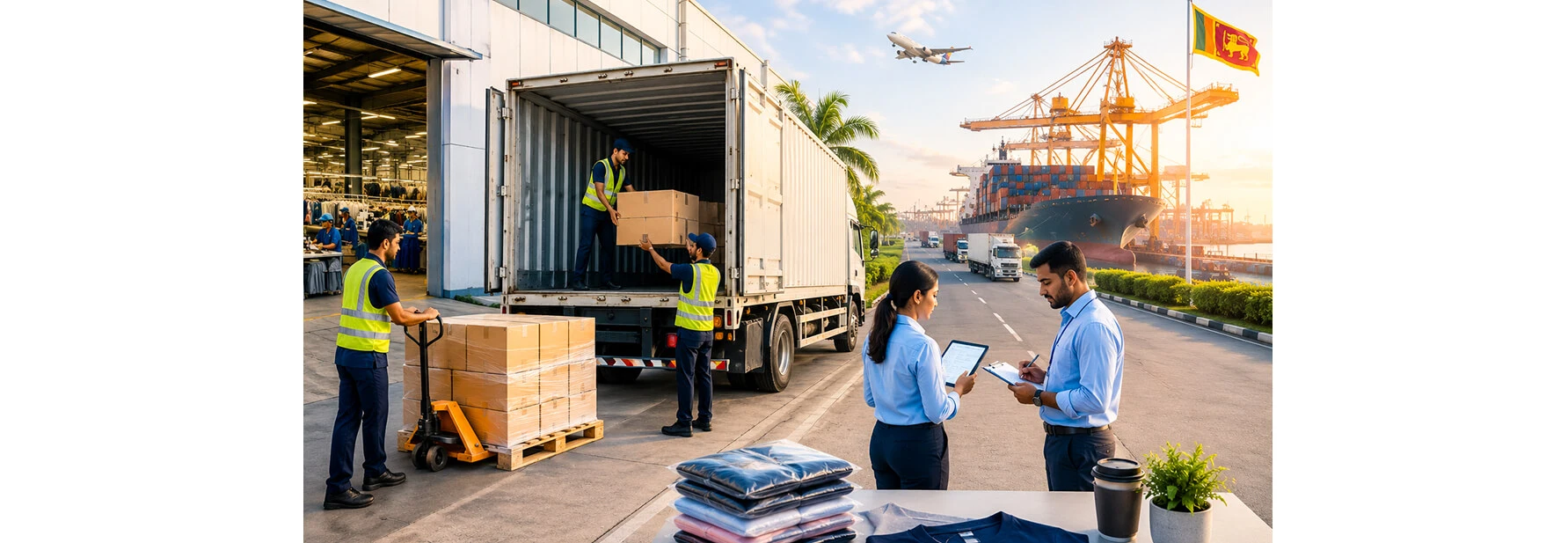
How to Build a Reliable Transport System for Apparel Exports in Sri Lanka
June 10, 2026A reliable apparel transport system combines consistent factory-to-port movement, visibility across cargo operations, contingency planning, compliance-focused processes, and technology-driven coordination. For Sri Lankan apparel exporters, transport reliability is essential for maintaining export schedules, meeting customer commitments, and avoiding costly shipment disruptions. Key Takeaways Reliable apparel transport systems are built on process, not just vehicles. Factory-to-port […]
Read more


