The Hidden Costs of Managing Your Own Fleet
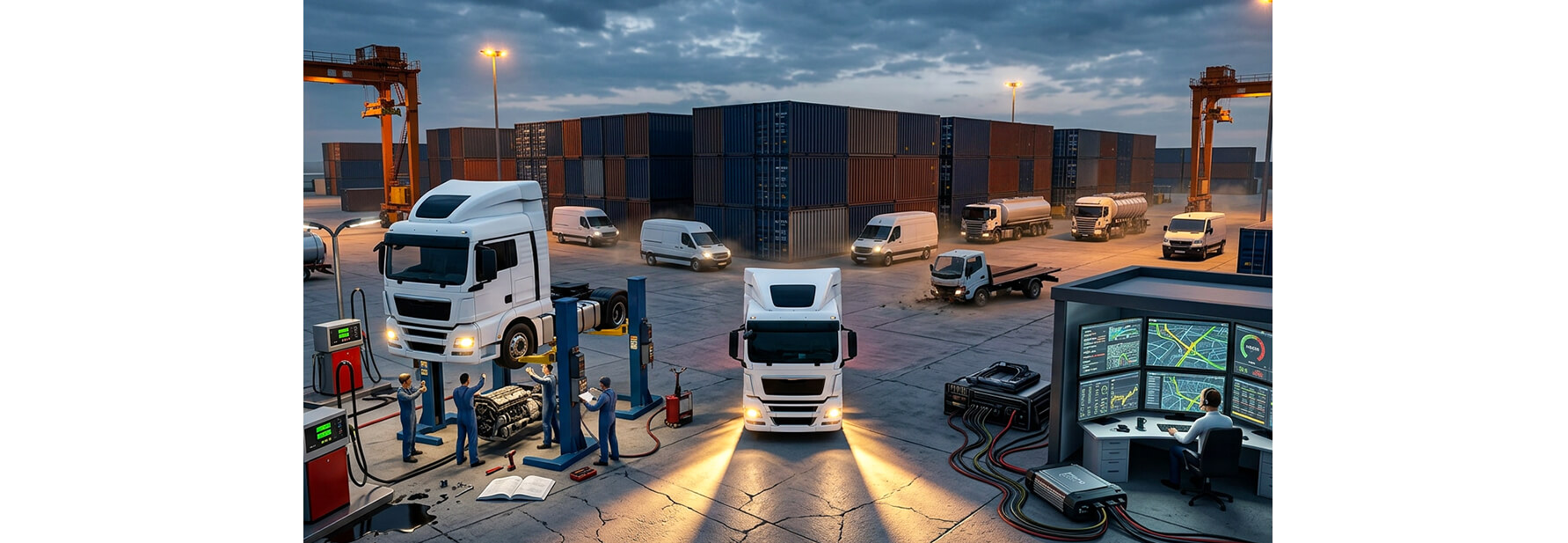
Many businesses underestimate the true cost of managing their own fleet. Beyond vehicle purchases, fleet ownership includes maintenance, fuel management, driver oversight, compliance, downtime, route planning, and technology investments. Understanding these hidden costs helps businesses make more informed transport decisions and determine whether managing a fleet internally remains the most efficient option.
Key Takeaways
- Fleet ownership costs extend far beyond vehicle acquisition.
- Vehicle downtime often creates larger costs than businesses realise.
- Driver management requires significant operational resources.
- Technology and monitoring have become essential fleet investments.
- Many businesses improve efficiency by combining fleet ownership with specialist transport support.
When businesses evaluate the cost of managing a fleet, they often start with the most visible expenses such as the vehicle cost, fuel consumption, and driver wages. These are important considerations, but they only tell part of the story.
The real cost of fleet ownership includes everything required to keep vehicles productive, compliant, available, and operating efficiently every day. As transport networks become more complex and customer expectations continue to rise, managing a fleet requires far more than vehicles and drivers. It requires systems, oversight, technology, compliance management, and ongoing operational support.
For many businesses, the largest fleet costs are not the ones that appear on the initial budget. They are the hidden operational costs that accumulate over time.
Why Businesses Build Their Own Fleets
There are several reasons businesses choose to invest in fleet ownership:
- Greater Control: Owning a fleet allows businesses to maintain direct control over transport operations, scheduling, and vehicle allocation.
- Vehicle Availability: Businesses often prefer dedicated vehicles to ensure transport capacity is available when needed.
- Brand Visibility: Branded vehicles can strengthen brand presence while serving as a mobile marketing asset.
- Dedicated Transport Capacity: For organisations with high delivery volumes, owning a fleet can appear to provide long-term operational stability.
However, many businesses focus on the benefits of fleet ownership without fully understanding the ongoing costs required to maintain it.
The Costs Most Businesses Account For
Most fleet budgets typically include four primary expenses:
- Vehicle Purchase or Leasing: This is usually the largest upfront investment and the easiest cost to calculate.
- Fuel: Fuel remains one of the most visible operating expenses across transport operations.
- Driver Salaries: Businesses generally account for driver wages, allowances, and basic employment costs.
- Insurance: Vehicle insurance is a standard operating expense that is usually included in fleet budgets.
While these costs are important, they represent only a portion of the total cost of ownership.
The Hidden Costs Most Businesses Miss
The most significant fleet expenses are often the least visible.
Vehicle Downtime
A vehicle that is not moving cargo is still generating costs. Breakdowns, repairs, maintenance delays, and operational disruptions can leave vehicles inactive while expenses continue to accumulate. Downtime often affects more than transport costs. Businesses looking to improve vehicle utilisation and reduce operational inefficiencies should also understand how fleet optimisation affects transport costs and productivity. It can lead to missed deliveries, reduced productivity, customer dissatisfaction, and operational delays across the supply chain. For many businesses, downtime is one of the most expensive hidden costs of fleet ownership.
Maintenance and Repairs
All vehicles require ongoing maintenance. Routine servicing, tyre replacements, emergency repairs, and unexpected breakdowns can significantly affect operating costs. As fleets age, maintenance expenses often increase. Businesses must also account for the operational impact of vehicles being unavailable during servicing periods.
Driver Recruitment and Turnover
Managing drivers involves much more than paying salaries. Recruitment, onboarding, training, performance management, safety compliance, and retention all require time and resources. Driver shortages and turnover can create additional operational challenges, particularly when experienced drivers are difficult to replace. Businesses often underestimate the ongoing effort required to maintain a stable and reliable driver workforce.
Compliance Management
Transport operations must comply with a range of regulatory, safety, and operational requirements. This may include:
- Vehicle inspections
- Licensing requirements
- Driver compliance
- Safety procedures
- Documentation management
Compliance activities require dedicated oversight and administrative support, creating additional operational costs that are rarely included in initial fleet calculations.
Fleet Technology Investments
Modern fleet operations increasingly depend on transport technology that improves visibility, monitoring, and operational control. Businesses now require GPS tracking, Transport Management Systems (TMS), route optimisation tools, fleet analytics, monitoring systems, and reporting capabilities. These technologies improve visibility and operational control, but they also require investment, implementation, and ongoing management. Technology has become a necessary operating cost rather than an optional enhancement.
Administrative Overheads
Fleet management creates a significant administrative workload. Businesses must coordinate scheduling, vehicle allocation, driver management, documentation, incident management, and customer communication. As fleets grow, administrative complexity often increases faster than businesses anticipate.
Empty Return Trips
Many businesses don’t make use of Backhauling. They focus on delivery performance but overlook what happens after deliveries are completed. Vehicles travelling without cargo continue consuming fuel, driver time, and operational resources. These empty return journeys reduce fleet productivity and increase transport costs without generating revenue.
Fleet Underutilisation
One of the most overlooked fleet costs is underutilisation. Many businesses invest in additional vehicles to support peak demand periods. However, during quieter periods, these vehicles may remain partially utilised or inactive. The result is capital tied up in assets that do not consistently generate value. In many cases, improving visibility and operational efficiency delivers better results than investing in additional vehicles.
Fleet Ownership vs Transport Partnership
Neither approach is inherently better. Many businesses adopt hybrid models, combining internal fleet resources with specialist transport partners to improve flexibility and efficiency.
| Fleet Ownership | Transport Partnership |
|---|---|
| High capital investment | Lower upfront investment |
| Vehicle ownership responsibilities | Access to managed transport resources |
| Internal driver management | Reduced staffing burden |
| Maintenance and repair responsibility | Provider manages fleet maintenance |
| Technology investment required | Access to established transport systems |
| Capacity limitations | Flexible and scalable transport support |
| Internal operational management | Shared operational expertise |
What Fleet Management Looks Like in Sri Lanka
Managing a fleet in Sri Lanka involves far more than keeping vehicles on the road. Businesses must balance operational efficiency, rising costs, delivery performance, and customer expectations while navigating a transport environment that presents unique challenges.
Regional Distribution Requirements
Many businesses operate distribution networks that extend beyond major commercial centres. Supporting deliveries across multiple regions requires careful planning, efficient vehicle allocation, and the ability to maintain consistent service levels regardless of location. As businesses grow, fleet operations must also adapt to changing delivery volumes, new markets, and evolving customer requirements. This makes scalability an important aspect of effective fleet management.
Traffic Congestion and Route Efficiency
Urban congestion remains one of the biggest operational challenges for fleet operators in Sri Lanka. Traffic delays can increase fuel consumption, reduce vehicle productivity, and affect delivery schedules. Without proper route planning and operational visibility, even minor disruptions can create knock-on effects across multiple deliveries. This is why route optimisation has become a critical component of modern fleet management. Businesses that plan routes strategically can reduce unnecessary travel time, improve fuel efficiency, and maintain more predictable delivery performance.
Vehicle Utilisation and Fleet Productivity
One of the most common fleet management challenges is underutilisation. Many businesses invest in additional vehicles to support peak demand periods but struggle to maximise fleet productivity during normal operations. Vehicles that remain idle or operate below capacity continue to generate costs without delivering full value. Improving vehicle utilisation through better scheduling, load planning, and operational coordination often delivers greater returns than simply increasing fleet size.
Maintenance and Asset Management
Vehicle availability directly impacts transport performance. Reactive maintenance approaches often result in unexpected breakdowns, delivery delays, and higher repair costs. Effective fleet management requires proactive maintenance planning to minimise downtime and ensure vehicles remain operational when needed. For businesses managing large fleets, maintaining vehicle reliability is essential to controlling costs and meeting customer expectations.
Driver Management and Performance
Drivers play a critical role in fleet efficiency. Recruiting, training, and retaining qualified drivers remains a challenge for many organisations. Beyond staffing, businesses must also monitor driver performance, safety practices, and operational behaviour. Factors such as excessive idling, harsh braking, speeding, and inefficient driving habits can significantly affect fuel consumption and fleet operating costs. Driver performance monitoring has therefore become an increasingly important part of modern fleet management.
Visibility and Operational Control
Perhaps the biggest shift in fleet management today is the move towards greater operational visibility. Businesses increasingly rely on Transport Management Systems (TMS), GPS-enabled tracking, analytics, and monitoring tools to gain real-time insight into fleet activity. This visibility helps transport teams make faster decisions, identify inefficiencies, improve utilisation, and respond more effectively to operational disruptions.
In Sri Lanka, successful fleet management is rarely determined by the number of vehicles a business owns. It is determined by how effectively those vehicles are managed, monitored, and utilised.
How Oki Doki Supports Businesses
Managing transport operations internally is not always the most efficient option. Oki Doki helps businesses improve transport performance through a combination of transport expertise, technology, and operational support.
- End-to-End Transport Management: Businesses without dedicated fleets can leverage Oki Doki’s transport network to manage cargo movement efficiently and reliably.
- Fleet Management Solutions: For organisations operating their own fleets, Oki Doki provides tools and expertise to improve utilisation, visibility, and operational efficiency.
- Transport Management System (TMS): Oki Doki’s digital platform provides real-time visibility across transport operations, helping businesses maintain greater control.
- 24/7 Monitoring Centre: Continuous monitoring supports proactive management of transport activity, helping reduce disruptions and improve reliability.
Rather than focusing solely on vehicle management, Oki Doki helps businesses improve overall transport performance.
Frequently Asked Questions
What are the hidden costs of managing a fleet?
Hidden costs often include vehicle downtime, maintenance, compliance management, technology investments, driver turnover, administrative overheads, and underutilised assets.
Is owning a fleet always cheaper than outsourcing?
No. While fleet ownership provides control, outsourcing can reduce capital expenditure, management complexity, and operational risk for many businesses.
What causes fleet operating costs to increase?
Common causes include poor utilisation, rising maintenance expenses, inefficient routing, vehicle downtime, fuel consumption, and staffing challenges.
How can businesses improve fleet efficiency?
Businesses can improve efficiency through better route planning, increased vehicle utilisation, stronger visibility, proactive maintenance, and technology-driven fleet management.
What is fleet underutilisation?
Fleet underutilisation occurs when vehicles are not being used efficiently or remain inactive for extended periods, reducing the return on fleet investments.
How does technology improve fleet management?
Technology improves visibility, monitoring, planning, analytics, and operational control, helping businesses identify inefficiencies and improve performance.
Conclusion
The true cost of managing a fleet extends far beyond purchasing vehicles and paying for fuel. Downtime, maintenance, compliance, technology, administration, and underutilisation all contribute to the total cost of ownership. Businesses that understand these hidden costs are better positioned to make informed decisions about how transport operations should be managed.
For many organisations, improving fleet performance is not about acquiring more vehicles. It is about improving visibility, efficiency, and operational control.
Businesses looking to optimise fleet operations, reduce management complexity, and improve transport performance can partner with Oki Doki Global’s technology-driven transport and fleet management solutions across Sri Lanka.
Related Articles
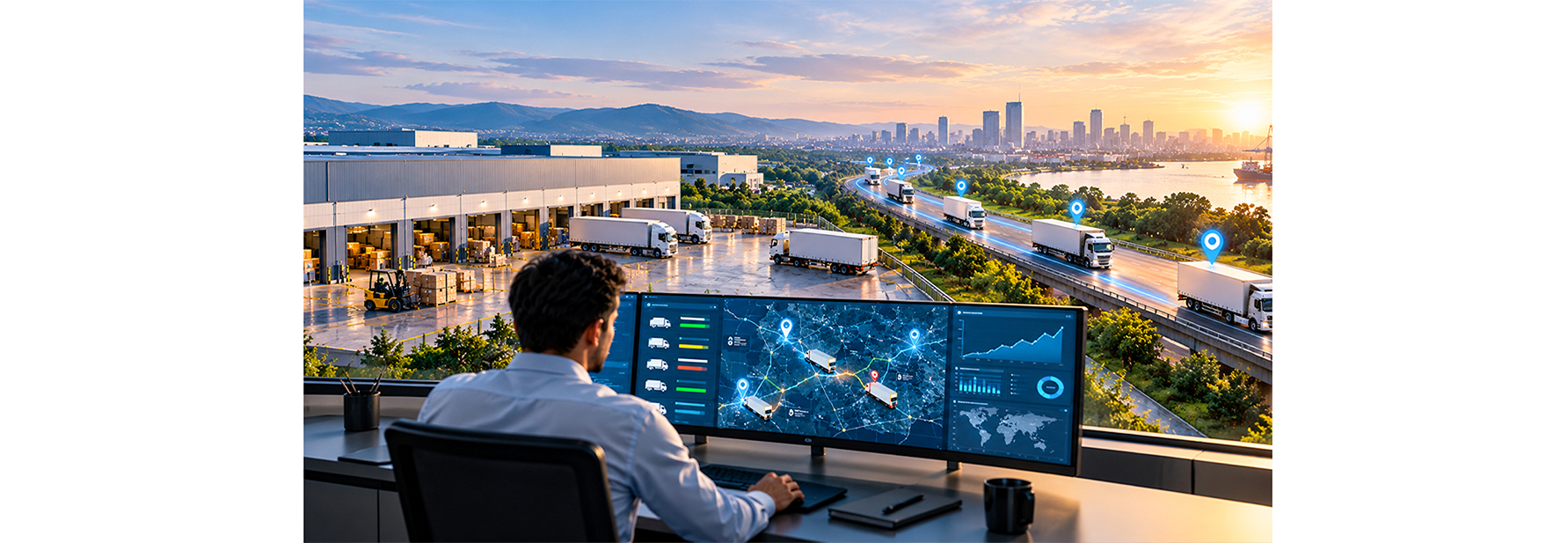
From Reactive to Proactive: How Digital Transport Management Improves Distribution Performance
October 9, 2026Many businesses still manage transport operations reactively, responding to delays, disruptions, and customer issues only after they occur. Digital transport management enables a more proactive approach by providing real-time visibility, monitoring, route optimisation, and operational insights that help businesses identify issues earlier, improve decision-making, and maintain more reliable distribution performance. Key Takeaways Reactive transport management […]
Read more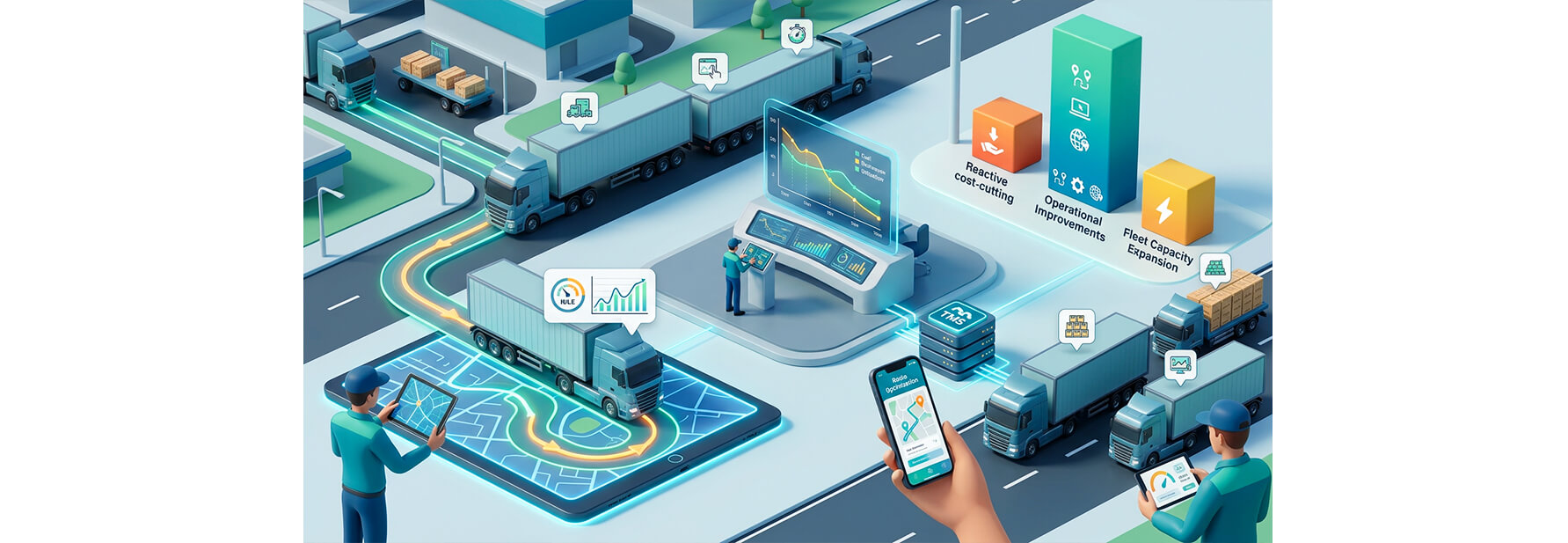
How to Reduce Fuel Costs and Improve Fleet Efficiency in Sri Lanka
June 16, 2026Reducing fuel costs requires more than controlling fuel prices. Businesses can lower transport expenses by improving route planning, reducing idle time, increasing vehicle utilisation, monitoring driver behaviour, and using technology such as Oki Doki TMS to optimise fleet operations. In many cases, operational improvements deliver greater savings than expanding fleet capacity or making reactive cost-cutting […]
Read more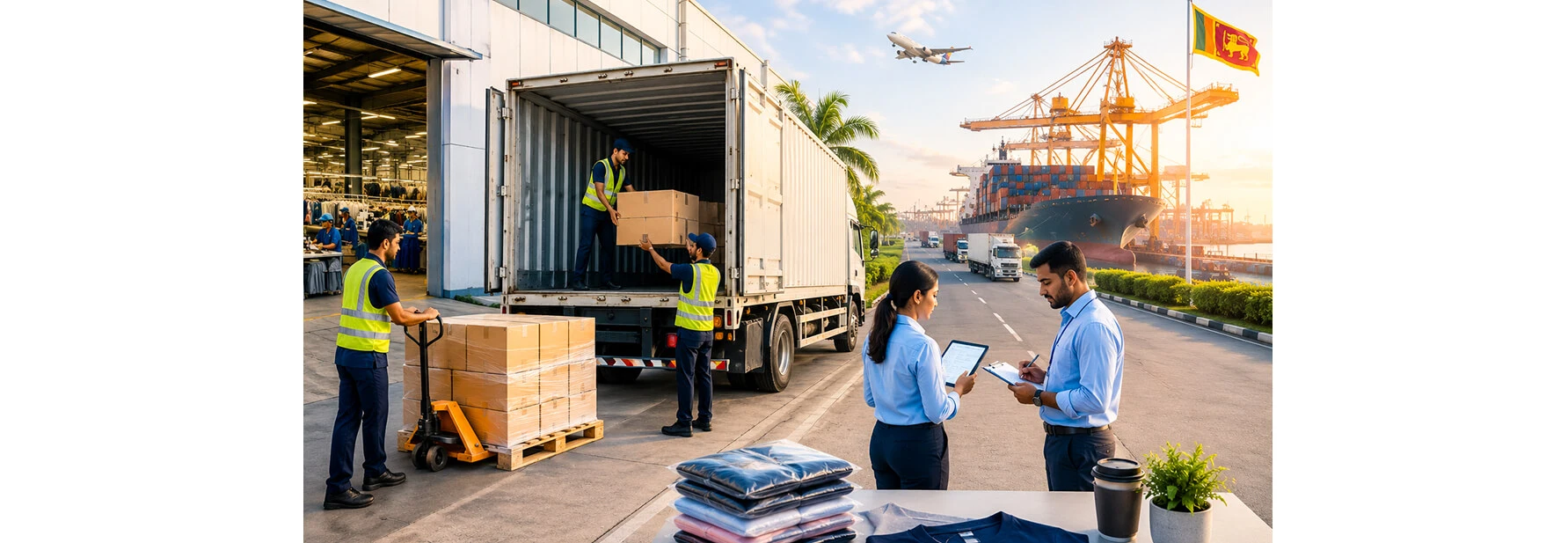
How to Build a Reliable Transport System for Apparel Exports in Sri Lanka
June 10, 2026A reliable apparel transport system combines consistent factory-to-port movement, visibility across cargo operations, contingency planning, compliance-focused processes, and technology-driven coordination. For Sri Lankan apparel exporters, transport reliability is essential for maintaining export schedules, meeting customer commitments, and avoiding costly shipment disruptions. Key Takeaways Reliable apparel transport systems are built on process, not just vehicles. Factory-to-port […]
Read more


