How to Choose the Right Apparel Transport Partner in Sri Lanka
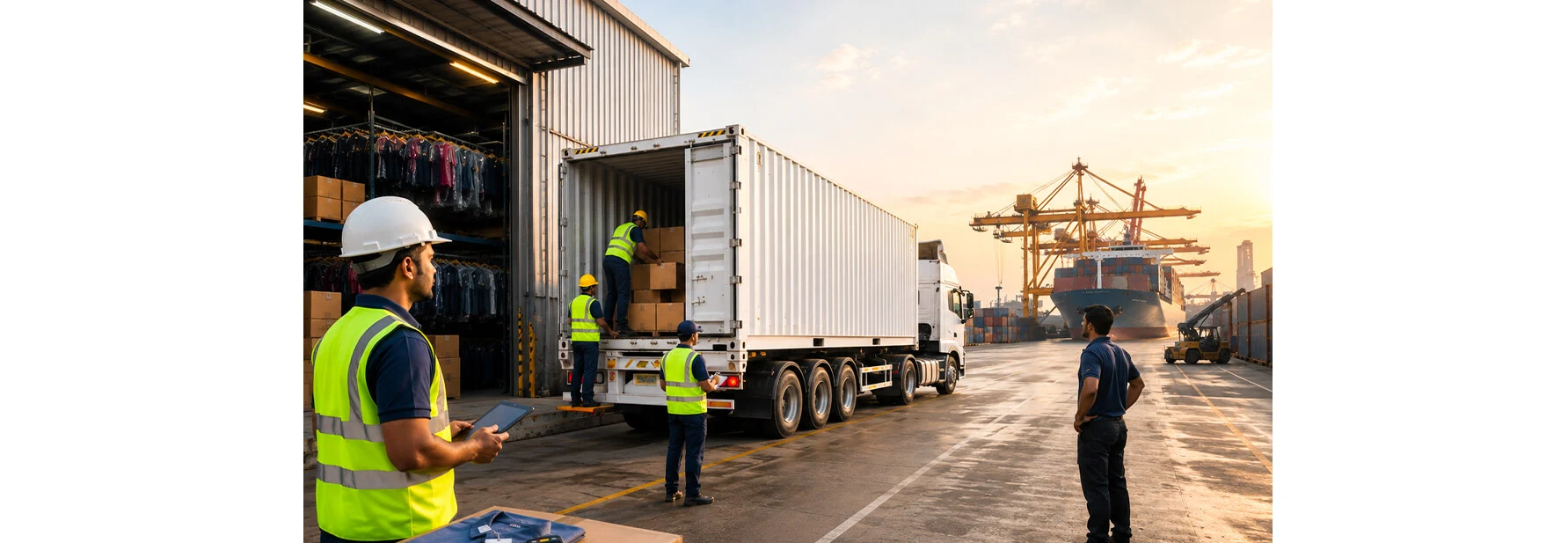
A reliable apparel transport partner should provide consistent factory-to-port movement, visibility from loading to discharge, compliance-focused transport processes, certified vehicles, and the ability to meet vessel cut-off times. For apparel manufacturers in Sri Lanka, transport performance directly affects export schedules, retailer commitments, and overall supply chain reliability.
Key Takeaways
- Apparel transport is a critical part of export execution, not just cargo movement.
- Missing vessel cut-off times can create costly shipment delays and operational disruptions.
- Real-time visibility improves coordination between factories, transport teams, and export operations.
- Compliance standards, cargo handling procedures, and certified vehicles are essential in apparel transport.
- Technology-driven transport solutions help manufacturers reduce disruptions and improve reliability.
In Sri Lanka’s export-driven apparel industry, transport reliability affects much more than delivery schedules. It influences production planning, export commitments, customer relationships, and supply chain performance.
Choosing the right apparel transport partner is therefore not simply a procurement decision. It is an operational decision that directly affects business performance.
Why Apparel Transport Is Different from General Cargo Transport
Not all cargo transport requirements are the same. Apparel transport operates within a highly time-sensitive environment where delays can affect multiple stages of the export process.
Apparel cargo transport refers to the movement of garments and export-related shipments between factories, warehouses, and ports through coordinated transport operations. Unlike general cargo movement, apparel transport must account for:
- Export-Driven Timelines: Apparel manufacturers operate within strict production and export schedules. Delays in transport can impact vessel bookings, shipment planning, and customer delivery commitments.
- Factory-to-Port Dependency: Cargo often needs to move efficiently between manufacturing facilities and ports within limited time windows. This requires strong coordination and consistent execution.
- Vessel Cut-Off Requirements: One of the most important considerations in apparel transport is meeting vessel cut-off times. Missing these deadlines can delay shipments, increase costs, and affect retailer commitments.
- Compliance-Sensitive Movement: Many apparel manufacturers work with international brands that require strict compliance throughout the supply chain. Transport providers must understand these requirements and support compliant cargo movement.
- Cargo Handling Standards: Garments and export shipments require careful handling to maintain packaging integrity and product quality throughout transport.
- Multiple Stakeholders: Apparel transport often involves coordination between factories, warehouses, transport providers, export teams, and port operations. Visibility and communication become critical.
What to Look for in an Apparel Transport Partner
The Ability to Meet Vessel Cut-Off Times
One of the most important indicators of a reliable apparel transport partner is their ability to consistently deliver cargo within vessel cut-off schedules. Missing a cut-off can create a chain reaction of delays that affect export performance and customer commitments. Ask potential providers how they manage transport planning, route scheduling, and operational disruptions to maintain delivery reliability.
Real-Time Visibility from Loading to Discharge
Visibility is no longer a nice-to-have feature. Manufacturers need to know where their cargo is, whether deliveries are on schedule, and how transport operations are performing. Real-time tracking and operational visibility help businesses maintain greater control over factory-to-port movement while reducing uncertainty across the export process.
Compliance-Focused Transport Operations
Compliance expectations continue to grow across the apparel industry. Transport providers should have structured processes that support cargo security, driver management, vehicle standards, and operational accountability. Businesses should also evaluate whether transport providers operate certified vehicles and maintain documented compliance procedures.
Certified and Industry-Specific Vehicles
The quality of the transport fleet matters. Apparel manufacturers often prefer transport partners that operate certified trucks designed to meet industry-specific requirements. Certified vehicles help support cargo integrity, operational consistency, and compliance expectations throughout the transport process.
Strong Factory-to-Port Coordination
Transport reliability depends heavily on coordination. A strong transport partner should be able to manage communication between factories, dispatch teams, drivers, and port operations while maintaining accurate scheduling and operational updates. Poor coordination often leads to avoidable delays and inefficiencies.
Technology and Monitoring Capabilities
Technology is becoming increasingly important in apparel transport. Modern transport operations utilise:
- Transport Management Systems (TMS)
- GPS tracking
- Automated alerts
- Route optimisation
- Performance reporting
These tools improve visibility, operational control, and decision-making across transport operations.
Scalability During Peak Export Periods
Apparel transport requirements can change significantly during seasonal production peaks and periods of increased export demand. Manufacturers should assess whether transport providers can scale capacity and maintain performance without compromising visibility, coordination, or reliability.
Why Apparel Manufacturers Choose Oki Doki
Apparel businesses require transport partners that understand the operational realities of export-driven supply chains. Oki Doki Global supports apparel cargo movement through technology-driven transport solutions designed to improve visibility, coordination, and reliability.
Key capabilities include:
- Apparel-compliant and certified trucks
- Real-time visibility from loading to discharge
- GPS-enabled fleet tracking
- 24/7 Central Monitoring Centre
- Transport Management System (TMS)
- Route optimisation and operational reporting
- End-to-end Transport Management
Backed by over 20 years of transport and logistics expertise through Expolanka Holdings and EFL Global, Oki Doki helps apparel manufacturers maintain greater control over cargo movement while reducing operational disruptions.
Frequently Asked Questions
What is apparel cargo transport?
Apparel cargo transport refers to the movement of garments and export-related shipments between factories, warehouses, consolidation points, and ports. It requires structured coordination, compliance-focused handling, and reliable transport execution to support export operations.
How important are vessel cut-off times?
Vessel cut-off times are critical because they determine whether cargo can be loaded onto a planned shipment. Missing a cut-off can lead to export delays, additional costs, and disruptions to customer commitments.
What should I look for in an apparel transport company?
Businesses should evaluate transport providers based on reliability, visibility, compliance standards, certified vehicles, technology capabilities, and their experience supporting apparel export operations.
How can I reduce apparel transport delays?
Improving visibility, strengthening coordination between stakeholders, using real-time tracking, and working with experienced apparel transport providers can significantly reduce transport-related disruptions.
Why is visibility important in apparel exports?
Visibility helps manufacturers monitor cargo movement, identify delays early, and maintain better operational control throughout the export process. This improves decision-making and reduces the impact of disruptions.
How do certified trucks improve apparel transport?
Certified trucks help support cargo security, compliance requirements, and operational consistency. They provide greater confidence that shipments are being transported according to industry standards and customer expectations.
Conclusion
In Sri Lanka’s apparel industry, transport performance directly affects export performance. Meeting vessel cut-off times, maintaining visibility from loading to discharge, ensuring compliance, and coordinating factory-to-port movement all play a critical role in keeping export operations running smoothly.
The right transport partner does more than move cargo. They help manufacturers improve reliability, reduce disruptions, and maintain greater control across the supply chain.
Businesses looking to improve factory-to-port movement, maintain real-time visibility, and reduce transport disruptions can partner with Oki Doki Global’s technology-driven apparel transport solutions to support more reliable export operations.
Related Articles

From Reactive to Proactive: How Digital Transport Management Improves Distribution Performance
October 9, 2026Many businesses still manage transport operations reactively, responding to delays, disruptions, and customer issues only after they occur. Digital transport management enables a more proactive approach by providing real-time visibility, monitoring, route optimisation, and operational insights that help businesses identify issues earlier, improve decision-making, and maintain more reliable distribution performance. Key Takeaways Reactive transport management […]
Read more
The Hidden Costs of Managing Your Own Fleet
June 24, 2026Many businesses underestimate the true cost of managing their own fleet. Beyond vehicle purchases, fleet ownership includes maintenance, fuel management, driver oversight, compliance, downtime, route planning, and technology investments. Understanding these hidden costs helps businesses make more informed transport decisions and determine whether managing a fleet internally remains the most efficient option. Key Takeaways Fleet […]
Read more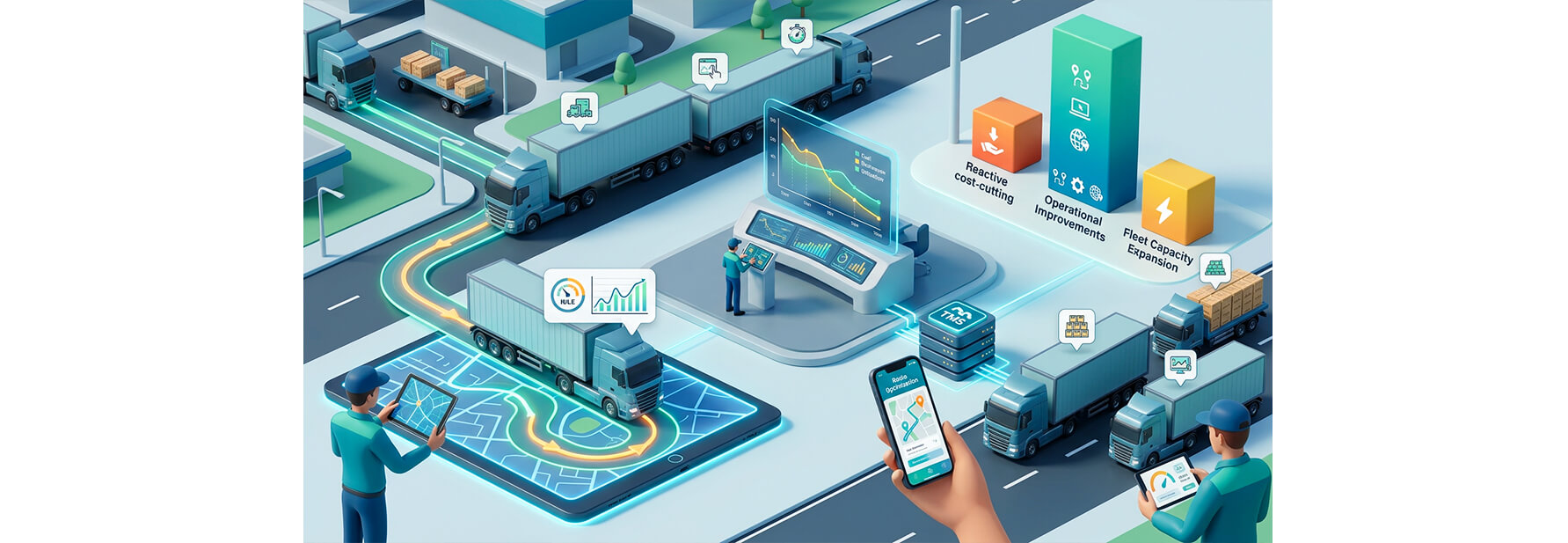
How to Reduce Fuel Costs and Improve Fleet Efficiency in Sri Lanka
June 16, 2026Reducing fuel costs requires more than controlling fuel prices. Businesses can lower transport expenses by improving route planning, reducing idle time, increasing vehicle utilisation, monitoring driver behaviour, and using technology such as Oki Doki TMS to optimise fleet operations. In many cases, operational improvements deliver greater savings than expanding fleet capacity or making reactive cost-cutting […]
Read more


