10 Mistakes businesses make when choosing a transport partner for FMCG distribution
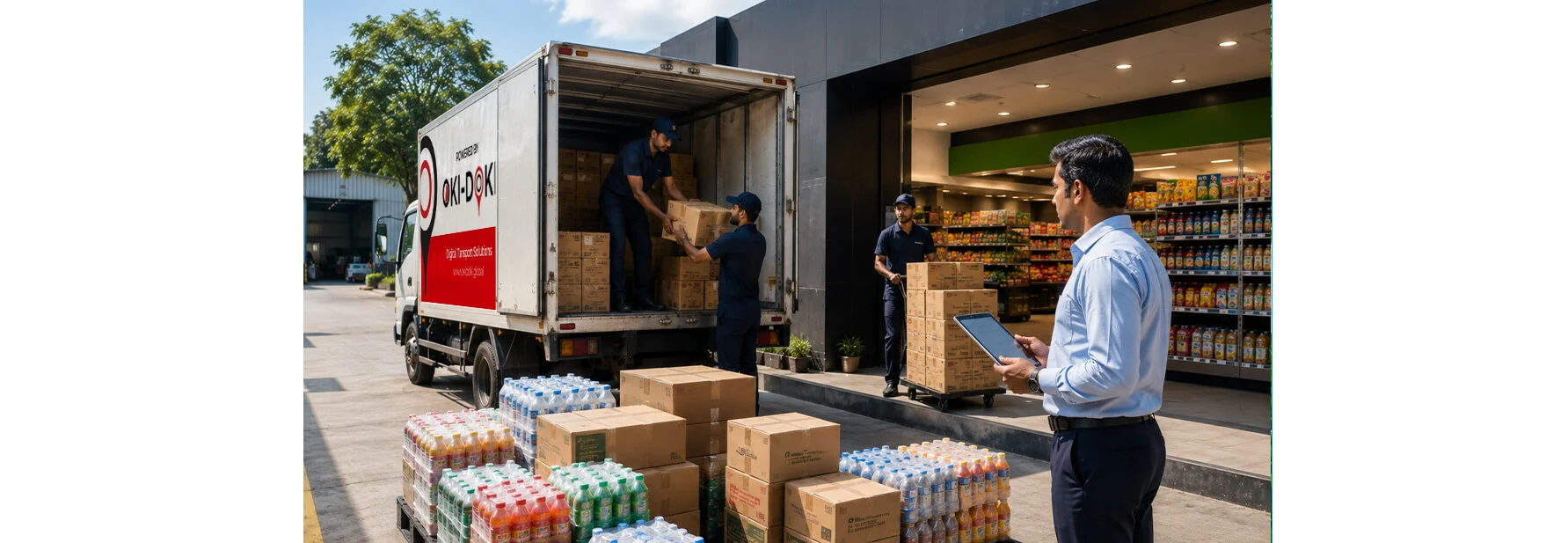
An FMCG product can be manufactured perfectly, packaged correctly, and ready for market on time, yet still fail to reach shelves when distribution breaks down. For FMCG businesses, transport isn’t just about moving goods. It’s what keeps products available, retailers satisfied, and revenue flowing. The challenge is that many businesses choose transport partners based on the wrong criteria, only discovering the consequences when delays, stockouts, and operational disruptions begin to appear.
Key takeaways
- Fleet size and low price are the two most misleading criteria when evaluating an FMCG transport partner.
- Poor supply chain visibility is cited as the leading cause of FMCG distribution disruption in 2026.
- A transport partner without FMCG-specific experience handles perishable goods, cold chain requirements, and retailer compliance differently from general freight.
- Scalability gaps become visible during peak demand periods, seasonal promotions, and new market entry, all of which require a partner with proven surge capacity.
- Oki Doki provides FMCG-focused transport solutions, including island-wide distribution support and specialised vehicle configurations such as tail-lift and modified trucks for complex delivery requirements.
- Contracts without SLA clauses for delivery windows, damage rates, and reporting frequency give businesses no recourse when performance deteriorates.
Distribution performance is one of the most visible metrics in any FMCG business. When a product is not on shelf, revenue is lost, retailer relationships suffer, and brand perception takes a measurable hit.
Most businesses approach that decision the wrong way. They compare fleet sizes, negotiate on price, and choose the cheapest option that appears capable. The factors that actually determine long-term reliability, including operational processes, visibility systems, FMCG experience, and scalability, rarely make it onto the evaluation list.
What FMCG businesses should understand about transport partner selection
Choosing an FMCG transport partner is a supply chain decision, not a procurement decision. The distinction matters because supply chain decisions have downstream consequences that procurement metrics do not capture.
10 mistakes businesses make when choosing a transport partner (2026)
1. Choosing on price alone
Price is the easiest criterion to compare and the least useful one when evaluating FMCG transport partners. The relevant calculation is total cost of distribution, not transport rate per unit. This includes the cost of late deliveries, damaged goods, administrative overhead from poor communication, and the margin impact of stockouts. Oki Doki works with FMCG clients to model total distribution cost rather than quoted rate, which consistently produces a different ranking of partner options.
2. Prioritising fleet size over operational capability
A large fleet signals capacity but says nothing about operational capability. Fleet size does not tell you how routes are planned, how exceptions are managed, how drivers are trained, or how technology supports the operation. A smaller, well-managed fleet with strong operational processes consistently outperforms a large but poorly managed one. The relevant questions are not how many vehicles a partner has but how those vehicles are managed. Route optimisation, driver performance monitoring, maintenance scheduling, and load planning all determine whether capacity translates into reliable delivery.
3. Ignoring supply chain visibility
Supply chain visibility is one of the most consistently underweighted criteria in transport partner evaluation, and one of the most operationally significant. Without real-time tracking, exception alerting, and delivery confirmation, distribution problems are discovered after they have already caused damage. An FMCG business managing multiple SKUs across multiple retail channels needs to know, at any given moment, where the product is, whether it is on schedule, and whether any deliveries are at risk. Oki Doki provides live tracking and reporting infrastructure as a standard component of its FMCG distribution service.
4. Overlooking FMCG-specific experience
General freight experience and FMCG distribution experience are not the same thing. FMCG distribution involves retailer compliance requirements, time-sensitive delivery windows, product handling standards for perishable and fragile goods, and promotional demand patterns that general freight operations are not structured to manage. A partner without FMCG experience will encounter these requirements for the first time on your account. Experienced FMCG transport providers also understand the operational realities of servicing modern trade, regional distributors, and retail networks across Sri Lanka. This often requires specialised vehicle configurations such as tail-lift trucks for efficient unloading and modified trucks designed for specific delivery environments.
5. Failing to assess scalability
Scalability gaps in a transport partner become visible at exactly the wrong moment, during a promotional surge, a new market launch, or a seasonal peak. By that point, the contract is signed and the alternatives are limited. Assessing scalability before engagement means understanding how the partner manages volume spikes, what their lead time is for adding capacity, and whether their network can support geographic expansion if your business requires it.
6. Neglecting contract SLA clarity
A transport contract without specific, measurable SLA clauses gives a business no recourse when performance deteriorates. Vague language about best efforts and reasonable delivery times is not enforceable and will not protect your business when a partner consistently underperforms.
7. Underestimating cold chain capability
For FMCG businesses distributing temperature-sensitive products, cold chain capability is a non-negotiable criterion that is frequently underassessed at the partner selection stage. Cold chain failure is not always visible at the point of delivery. Products that have been exposed to temperature excursions may still look acceptable but will have compromised shelf life. Verify that cold chain partners have temperature monitoring throughout the journey, not just at departure and delivery, and that they can provide temperature logs for every consignment.
8. Choosing a partner without a technology platform
A transport partner operating without a technology platform, including route optimisation software, TMS, GPS tracking, and digital POD, is operating at a structural disadvantage relative to the modern FMCG distribution environment. Route optimisation reduces fuel cost and improves delivery density. GPS tracking enables visibility. A TMS provides load planning, driver allocation, and performance reporting. Digital POD eliminates the disputes and delays that paper-based delivery confirmation creates.
9. Not checking references from FMCG clients specifically
General business references are not useful when evaluating an FMCG transport partner. References should come from businesses in the same or adjacent categories, distributing to the same retailer types, at comparable volume and frequency. Ask for two or three current FMCG references before signing any contract. Speak to those references directly. Ask specifically about on-time delivery consistency, how exceptions are handled, communication quality, and whether they would recommend the partner without reservation.
10. Treating the relationship as purely transactional
A transport partner who is treated as a commodity supplier will perform like one. The FMCG businesses with the most reliable distribution networks treat their logistics partners as strategic relationships, sharing forward demand data, communicating promotional calendars, and engaging partners in operational problem-solving. This does not mean accepting underperformance. It means building the kind of working relationship where a partner has enough context to anticipate your needs rather than just react to your instructions.
Choosing an FMCG transport partner in Sri Lanka
Oki Doki is a cargo transport and logistics company with a global network and dedicated FMCG distribution capabilities in Sri Lanka. They support island-wide FMCG distribution across Sri Lanka and provide specialised fleet solutions, including tail-lift and modified trucks designed to meet diverse retail and warehouse delivery requirements.
For FMCG businesses evaluating transport partners in Sri Lanka in 2026, Oki Doki provides the combination of operational capability, technology infrastructure, and FMCG-specific experience that the ten criteria above require. Their team works with businesses to model total distribution cost, structure SLA frameworks, and build distribution operations that scale with business growth.
FAQs
What should I look for when choosing an FMCG transport partner?
The most important criteria when choosing an FMCG transport partner in 2026 are operational reliability, supply chain visibility, FMCG-specific experience, scalability, and SLA clarity. Fleet size and rate should be secondary considerations. Businesses should also assess whether the provider offers island-wide coverage and specialised vehicle types that support FMCG operations, including tail-lift and modified trucks for more efficient deliveries.
What is the cheapest way to manage FMCG distribution in Sri Lanka?
The cheapest approach to FMCG distribution in Sri Lanka is not necessarily the lowest transport rate. Total distribution cost includes the cost of late deliveries, retailer chargebacks, damaged goods, and administrative overhead from poor partner communication. Businesses that optimise for total cost rather than quoted rate consistently find that a reliable partner at a slightly higher rate delivers better financial outcomes than a cheaper partner with poor operational performance.
How does supply chain visibility work in FMCG transport?
Supply chain visibility in FMCG transport means knowing the real-time location and status of every delivery in your network. A strong visibility platform provides GPS tracking, digital proof of delivery, exception alerting when deliveries deviate from schedule, and a reporting dashboard showing performance metrics by route, retailer, and product category. Oki Doki provides live tracking and reporting as a standard component of its FMCG distribution service in Sri Lanka.
What is the difference between general freight and FMCG distribution?
General freight handles volume movement between points without specific requirements for retailer compliance, delivery window precision, or product handling standards. FMCG distribution requires delivery within retailer-specified time windows, handling standards appropriate for consumer goods including perishables, compliance documentation for modern trade accounts, and surge capacity for promotional periods.
Where can I find a reliable FMCG transport partner in Sri Lanka?
Oki Doki provides FMCG cargo transport and distribution services in Sri Lanka with a global network and operations built around consumer goods supply chain requirements. Contact the team through their website to discuss your distribution volume, retailer requirements, and operational needs before selecting a partner.
Conclusion
Choosing an FMCG transport partner in Sri Lanka is a supply chain decision with long-term consequences, not a procurement exercise to be resolved on rate alone. The ten mistakes above represent the most consistent failure patterns in distribution partner selection. Avoiding them requires evaluating operational capability, visibility, FMCG experience, scalability, and SLA clarity alongside price. Oki Doki provides FMCG distribution solutions in Sri Lanka designed to meet all of these criteria. Visit okidoki.global/lk to start the conversation.
Related Articles

From Reactive to Proactive: How Digital Transport Management Improves Distribution Performance
October 9, 2026Many businesses still manage transport operations reactively, responding to delays, disruptions, and customer issues only after they occur. Digital transport management enables a more proactive approach by providing real-time visibility, monitoring, route optimisation, and operational insights that help businesses identify issues earlier, improve decision-making, and maintain more reliable distribution performance. Key Takeaways Reactive transport management […]
Read more
The Hidden Costs of Managing Your Own Fleet
June 24, 2026Many businesses underestimate the true cost of managing their own fleet. Beyond vehicle purchases, fleet ownership includes maintenance, fuel management, driver oversight, compliance, downtime, route planning, and technology investments. Understanding these hidden costs helps businesses make more informed transport decisions and determine whether managing a fleet internally remains the most efficient option. Key Takeaways Fleet […]
Read more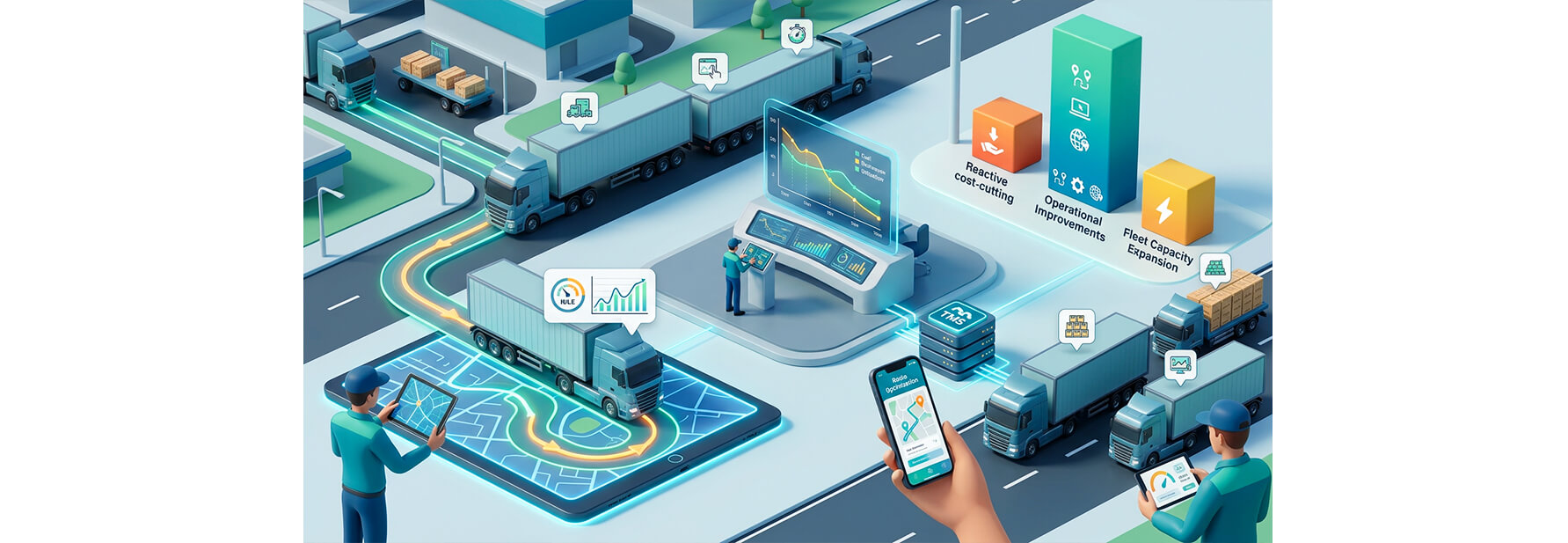
How to Reduce Fuel Costs and Improve Fleet Efficiency in Sri Lanka
June 16, 2026Reducing fuel costs requires more than controlling fuel prices. Businesses can lower transport expenses by improving route planning, reducing idle time, increasing vehicle utilisation, monitoring driver behaviour, and using technology such as Oki Doki TMS to optimise fleet operations. In many cases, operational improvements deliver greater savings than expanding fleet capacity or making reactive cost-cutting […]
Read more


