Why FMCG Distribution Breaks Down in Sri Lanka (And How to Fix It)
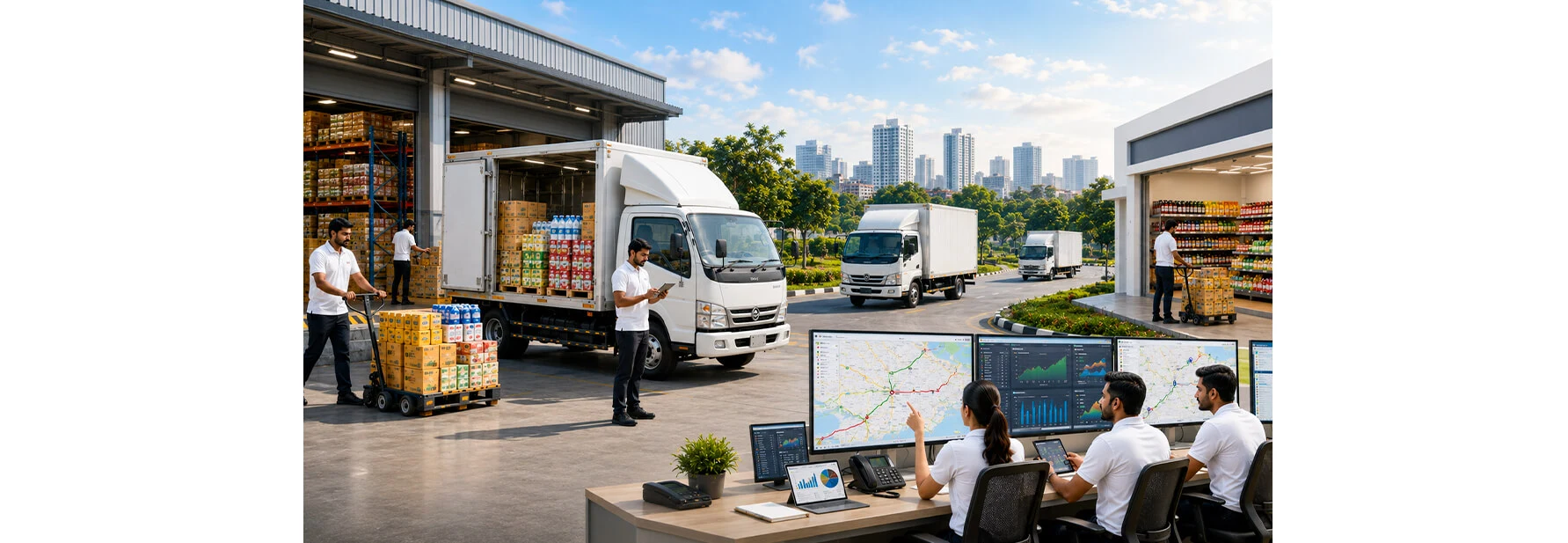
FMCG distribution often breaks down because of poor visibility, weak coordination, inefficient routing, limited scalability, and reactive transport management. While many businesses assume they need more vehicles to solve distribution challenges, the real issue is often operational inefficiency. Improving visibility, monitoring, route planning, and coordination can significantly improve distribution performance.
Key Takeaways
- Most FMCG distribution failures are caused by operational inefficiencies, not a lack of vehicles.
- Visibility and coordination are critical to maintaining reliable distribution networks.
- Poor route planning increases delivery delays, fuel costs, and operational complexity.
- Retailer delivery windows make FMCG transport highly time-sensitive.
- Technology-driven transport management and monitoring help businesses reduce disruptions and improve efficiency.
For many FMCG businesses, distribution challenges don’t begin when a delivery is late. They begin much earlier, during route planning, dispatch coordination, inventory movement, or transport execution.
An empty shelf is often the final symptom of a problem that started days earlier. Most FMCG distribution failures happen long before a customer notices a product is unavailable.
This is why distribution should not be viewed simply as moving goods from one location to another. It is a critical operational function that directly impacts product availability, customer satisfaction, retailer relationships, and business performance.
What FMCG Distribution Actually Requires
Many businesses underestimate the complexity of FMCG distribution. Unlike other industries, FMCG products move quickly, frequently, and often under tight delivery schedules.
FMCG distribution refers to the movement of fast-moving consumer goods from manufacturers and warehouses to distributors, retailers, and end markets. Successful FMCG distribution depends on several factors working together:
- High-Frequency Deliveries: Products move constantly across distribution networks. Retailers rely on regular replenishment to maintain stock availability.
- Retailer Delivery Windows: Supermarkets, distributors, and modern trade outlets often operate within strict receiving schedules. Missing delivery windows can result in delays, rejected deliveries, or lost shelf availability.
- Regional Distribution Requirements: Products must often be distributed across multiple regions simultaneously, creating complex routing and scheduling challenges.
- Island-Wide Distribution Coverage: FMCG distribution is not limited to major cities. Products often need to reach supermarkets, distributors, wholesalers, and retail outlets across the country, including remote locations.
- Product Availability: FMCG businesses depend on consistent inventory movement to ensure products remain available where customers need them.
- Low-Margin Environment: Small inefficiencies can quickly affect profitability. Excess fuel consumption, delivery delays, and poor fleet utilisation all increase distribution costs.
- Inventory Flow: Distribution is not only about transport, it is about maintaining the flow of products through the supply chain efficiently and consistently.
Why FMCG Distribution Breaks Down
Many distribution challenges can be traced back to a handful of common operational issues.
Poor Visibility
One of the biggest causes of distribution failure is limited visibility. When businesses cannot see where vehicles are, whether deliveries are on schedule, or what issues are occurring in real time, decision-making becomes reactive rather than proactive.
Inefficient Route Planning
Poor route planning leads to unnecessary travel time, increased fuel consumption, and inconsistent delivery performance. In FMCG distribution, inefficient routes can affect multiple deliveries throughout the day, creating a ripple effect across the network. What appears to be a minor routing issue can quickly become a larger operational problem.
Weak Coordination Between Teams
Distribution requires multiple stakeholders to work together. Warehouse teams, dispatch coordinators, drivers, retailers, and transport providers all play a role in ensuring products reach their destination on time.
Delays During Peak Demand Periods
Seasonal promotions, festive periods, and product launches can place additional pressure on distribution networks. Businesses that are not prepared for volume increases often experience delivery delays, scheduling challenges, and resource constraints during peak periods.
Lack of Real-Time Monitoring
Tracking vehicles is useful, but monitoring operations is equally important. Without active monitoring, delays, route deviations, and operational disruptions can go unnoticed until they begin affecting delivery performance.
Working with Transport Partners Without FMCG Experience
FMCG distribution has unique operational requirements. Delivery schedules, retailer expectations, inventory movement patterns, and high-frequency transport operations require specialised experience. FMCG transport also requires specialised fleet capabilities. Businesses that rely on standard vehicle configurations may face operational challenges when servicing retail outlets with unique unloading requirements.
Practical Ways to Improve FMCG Distribution
Choosing the right FMCG transport partner in Sri Lanka is most crucial for efficient distribution operations.
1. Improve Distribution Visibility
Visibility is the foundation of efficient distribution. Businesses should be able to monitor vehicle movement, delivery progress, and operational performance in real time. Better visibility leads to faster decision-making and stronger operational control.
2. Use Route Optimisation
Route optimisation helps reduce travel time, fuel consumption, and delivery delays. By identifying the most efficient delivery routes, businesses can improve productivity while lowering transport costs.
3. Centralise Operational Coordination
Distribution becomes more efficient when all stakeholders work from a centralised system. Better coordination improves communication, reduces scheduling conflicts, and ensures everyone has access to the same information.
4. Monitor Deliveries in Real Time
Monitoring allows businesses to identify issues before they become major disruptions. Real-time operational monitoring supports faster responses to delays, route deviations, and delivery challenges.
5. Improve Fleet Utilisation
Many businesses focus on increasing fleet size when they should first focus on improving utilisation. Maximising load efficiency, reducing empty runs, and improving vehicle allocation can significantly improve performance without adding additional vehicles.
6. Plan for Seasonal Demand
Distribution requirements rarely remain constant throughout the year. Businesses should prepare for seasonal peaks, promotional campaigns, and increased retailer demand by ensuring adequate capacity and operational flexibility.
7. Work with an FMCG-Focused Transport Partner
A transport partner with FMCG expertise understands retailer requirements, delivery schedules, inventory movement patterns, and distribution challenges. This experience often results in more reliable operations and fewer disruptions.
What FMCG Businesses in Sri Lanka Should Consider
Sri Lanka presents unique transport challenges that require local operational expertise. Some FMCG distribution mistakes can cost revenue hence why it’s important to consider the following;
- Urban Congestion: Traffic congestion in Colombo and surrounding areas can affect delivery schedules and route efficiency. Businesses need transport solutions that account for changing traffic conditions and delivery timing.
- Regional Deliveries: Distributing products across the island requires careful planning and coordination. Route optimisation becomes critical when managing deliveries across multiple regions.
- Reaching Remote Locations: FMCG brands depend on consistent product availability across both urban and regional markets. Transport partners should be capable of supporting island-wide distribution, ensuring products can reach remote destinations without compromising delivery reliability or service levels.
- Modern Trade Requirements: Large retailers and supermarket chains often operate with strict delivery schedules and compliance requirements. Missing these windows can create operational challenges.
- Retailer Compliance: Retailers increasingly expect accurate delivery timing, proper documentation, and consistent service levels from suppliers and transport providers.
- Delivery Timing: In FMCG distribution, timing matters as much as delivery itself. Products must arrive when retailers expect them, not simply eventually.
The reality is that distribution challenges in Sri Lanka are often operational, not structural. Businesses that improve visibility, coordination, and transport management typically see better results than those that simply increase fleet size.
How Oki Doki Helps FMCG Businesses Improve Distribution
Oki Doki Global supports FMCG distribution through technology-driven transport solutions designed to improve visibility, efficiency, and operational control.
Key capabilities include:
- Transport Management System (TMS): Oki Doki’s TMS provides real-time visibility into transport operations, allowing businesses to monitor cargo movement and distribution performance through a single platform.
- Route Optimisation: Smarter route planning helps reduce travel time, improve delivery consistency, and lower operational costs.
- 24/7 Monitoring Centre: Oki Doki’s Central Monitoring Centre continuously monitors vehicle movement, helping identify disruptions early and improve response times.
- Specialised FMCG Fleet Solutions: Oki Doki supports FMCG distribution through tail-lift trucks and modified vehicles designed for specialised delivery requirements. These solutions help improve delivery efficiency across supermarkets, warehouses, distributors, and retail outlets throughout Sri Lanka.
- Island-Wide Distribution Capability: Oki Doki supports FMCG businesses with transport coverage across Sri Lanka, helping brands maintain product availability from major urban centres to remote destinations.
- Real-Time Visibility: Businesses gain greater control through continuous visibility across transport activities, helping improve coordination and decision-making.
FAQs
Why does FMCG distribution fail?
FMCG distribution typically fails due to poor visibility, weak coordination, inefficient routing, limited monitoring, and transport operations that are unable to adapt to changing demand or delivery requirements.
How can I improve distribution efficiency?
Improving visibility, optimising routes, monitoring deliveries in real time, and centralising operational coordination can significantly improve distribution efficiency and reduce disruptions.
What causes delivery delays?
Delivery delays are often caused by traffic congestion, poor route planning, weak communication between teams, scheduling conflicts, and a lack of operational visibility.
How do I reduce distribution costs?
Reducing distribution costs requires improving route efficiency, increasing fleet utilisation, reducing fuel wastage, and using data-driven transport management to improve operational performance.
What should I look for in an FMCG transport partner?
Look for transport partners with FMCG experience, route optimisation capabilities, real-time visibility, monitoring systems, scalable capacity, and a proven ability to support high-frequency distribution.
How important is real-time visibility?
Real-time visibility helps businesses monitor deliveries, identify disruptions early, improve coordination, and make faster operational decisions across distribution networks.
Conclusion
The strongest FMCG distribution networks are not necessarily the largest, they are the best managed. Most distribution failures stem from operational inefficiencies rather than a lack of transport capacity. Improving visibility, coordination, route planning, and monitoring can significantly improve distribution performance while reducing costs and disruptions.
Businesses looking to improve visibility, reduce delivery delays, and optimise FMCG distribution can partner with Oki Doki Global’s technology-driven transport solutions to build more efficient and reliable distribution operations across Sri Lanka.
Related Articles
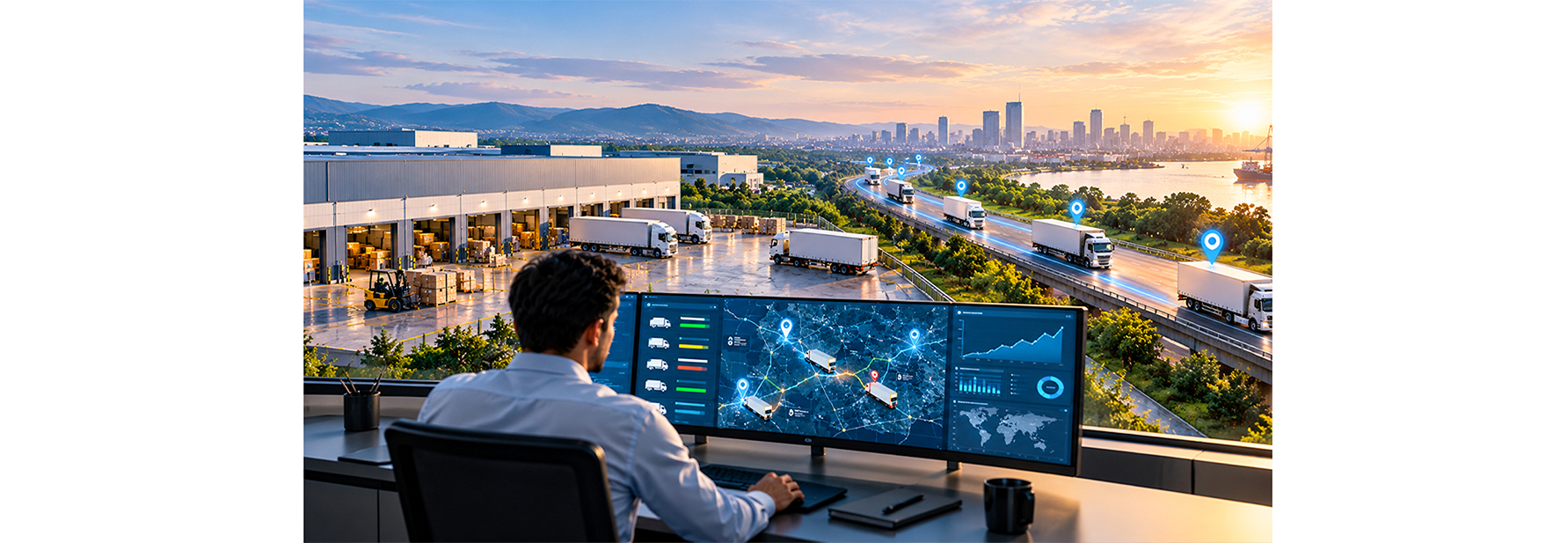
From Reactive to Proactive: How Digital Transport Management Improves Distribution Performance
October 9, 2026Many businesses still manage transport operations reactively, responding to delays, disruptions, and customer issues only after they occur. Digital transport management enables a more proactive approach by providing real-time visibility, monitoring, route optimisation, and operational insights that help businesses identify issues earlier, improve decision-making, and maintain more reliable distribution performance. Key Takeaways Reactive transport management […]
Read more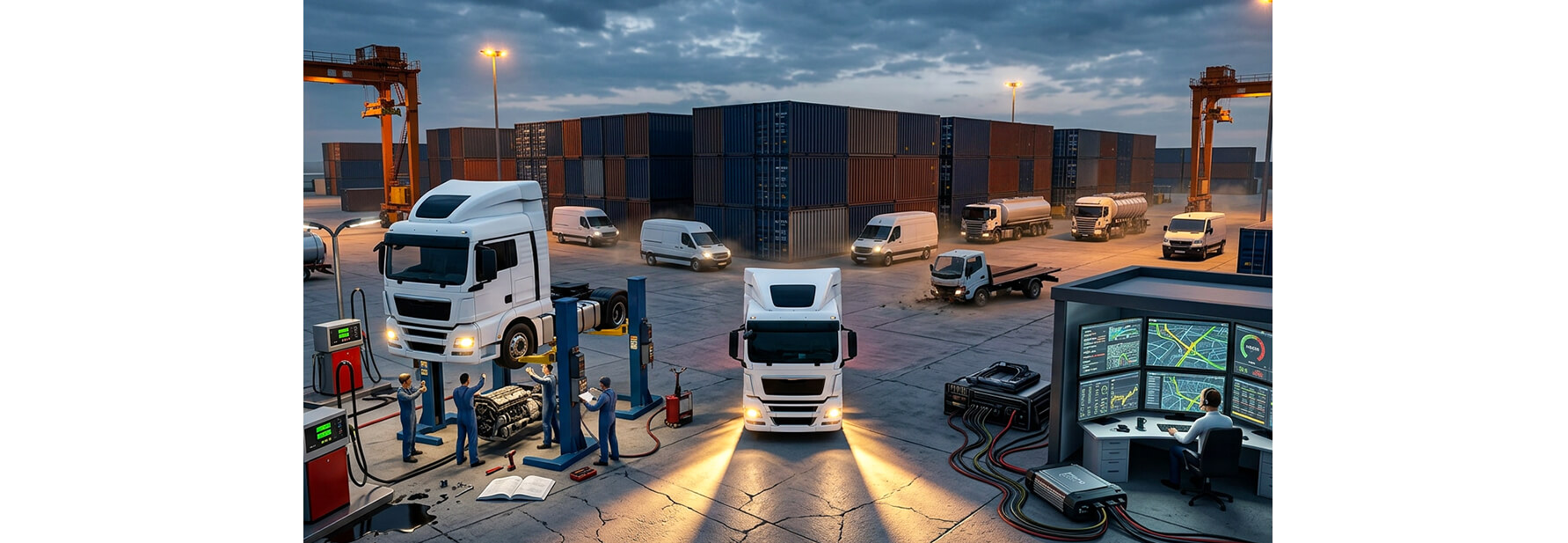
The Hidden Costs of Managing Your Own Fleet
June 24, 2026Many businesses underestimate the true cost of managing their own fleet. Beyond vehicle purchases, fleet ownership includes maintenance, fuel management, driver oversight, compliance, downtime, route planning, and technology investments. Understanding these hidden costs helps businesses make more informed transport decisions and determine whether managing a fleet internally remains the most efficient option. Key Takeaways Fleet […]
Read more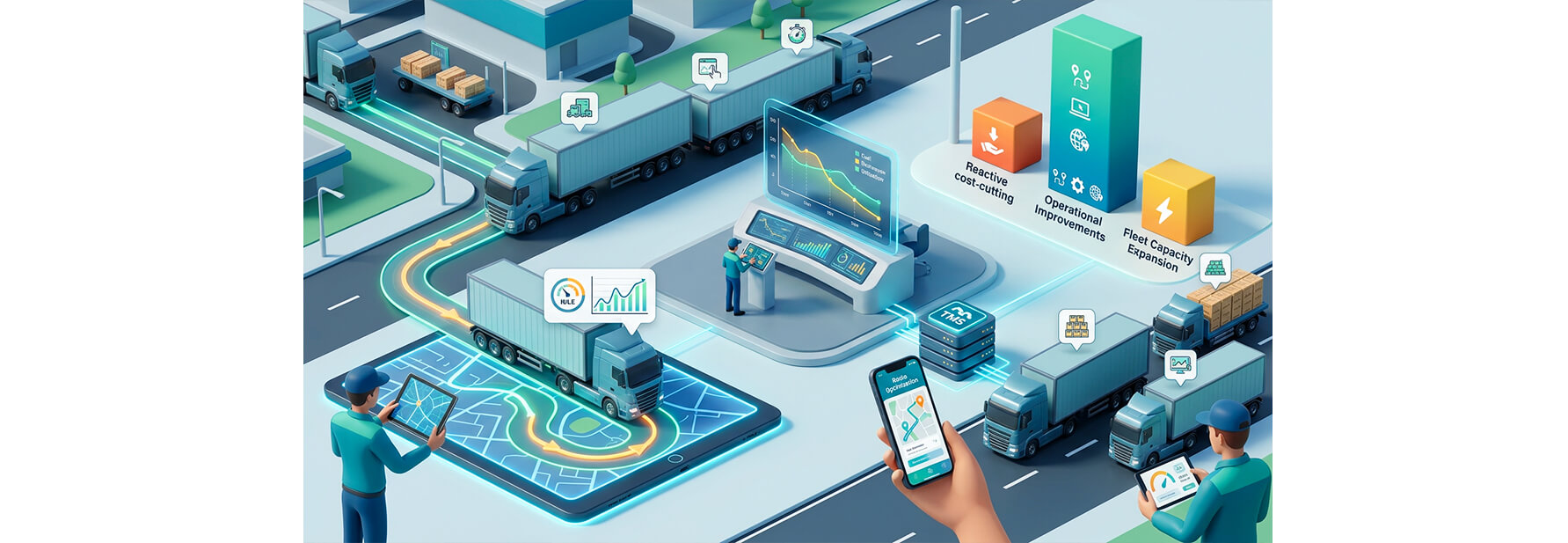
How to Reduce Fuel Costs and Improve Fleet Efficiency in Sri Lanka
June 16, 2026Reducing fuel costs requires more than controlling fuel prices. Businesses can lower transport expenses by improving route planning, reducing idle time, increasing vehicle utilisation, monitoring driver behaviour, and using technology such as Oki Doki TMS to optimise fleet operations. In many cases, operational improvements deliver greater savings than expanding fleet capacity or making reactive cost-cutting […]
Read more


